
Last updated October 31, 2026
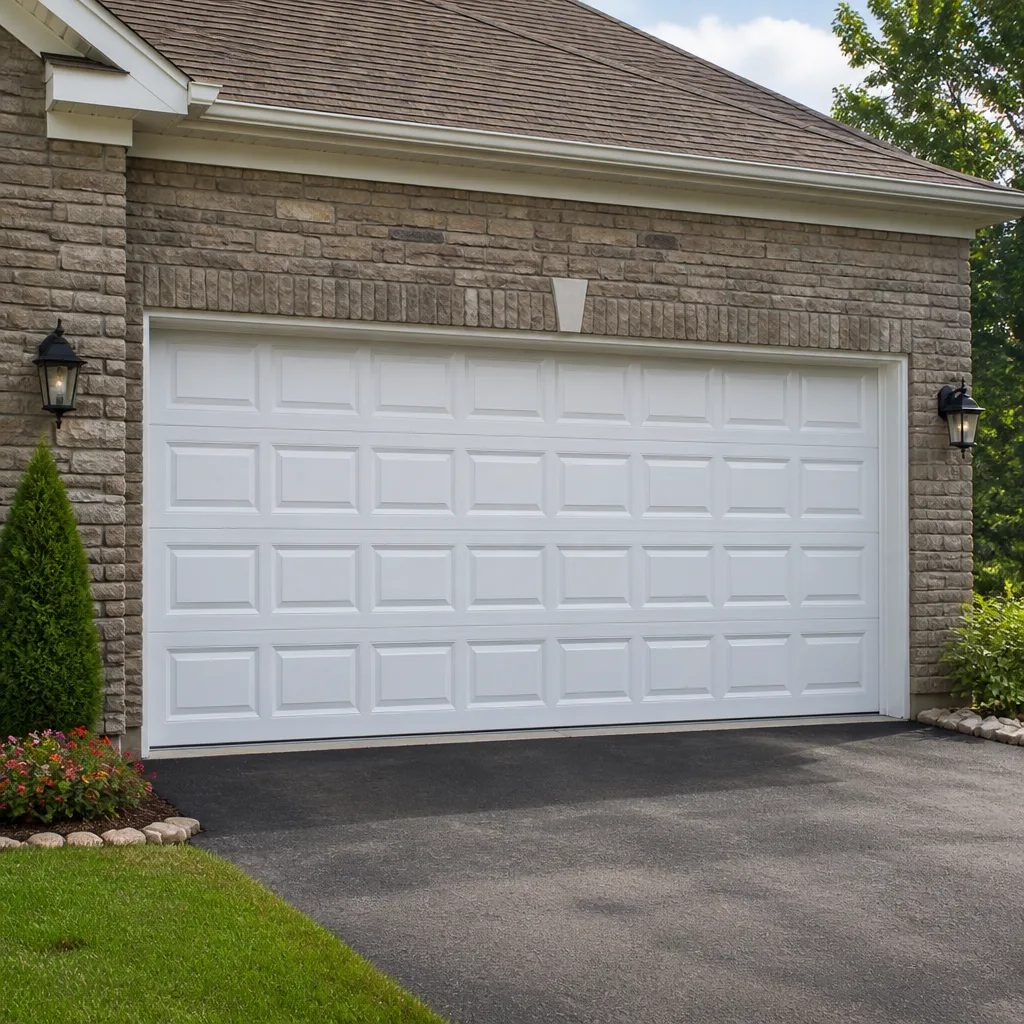 Raised-panel steel
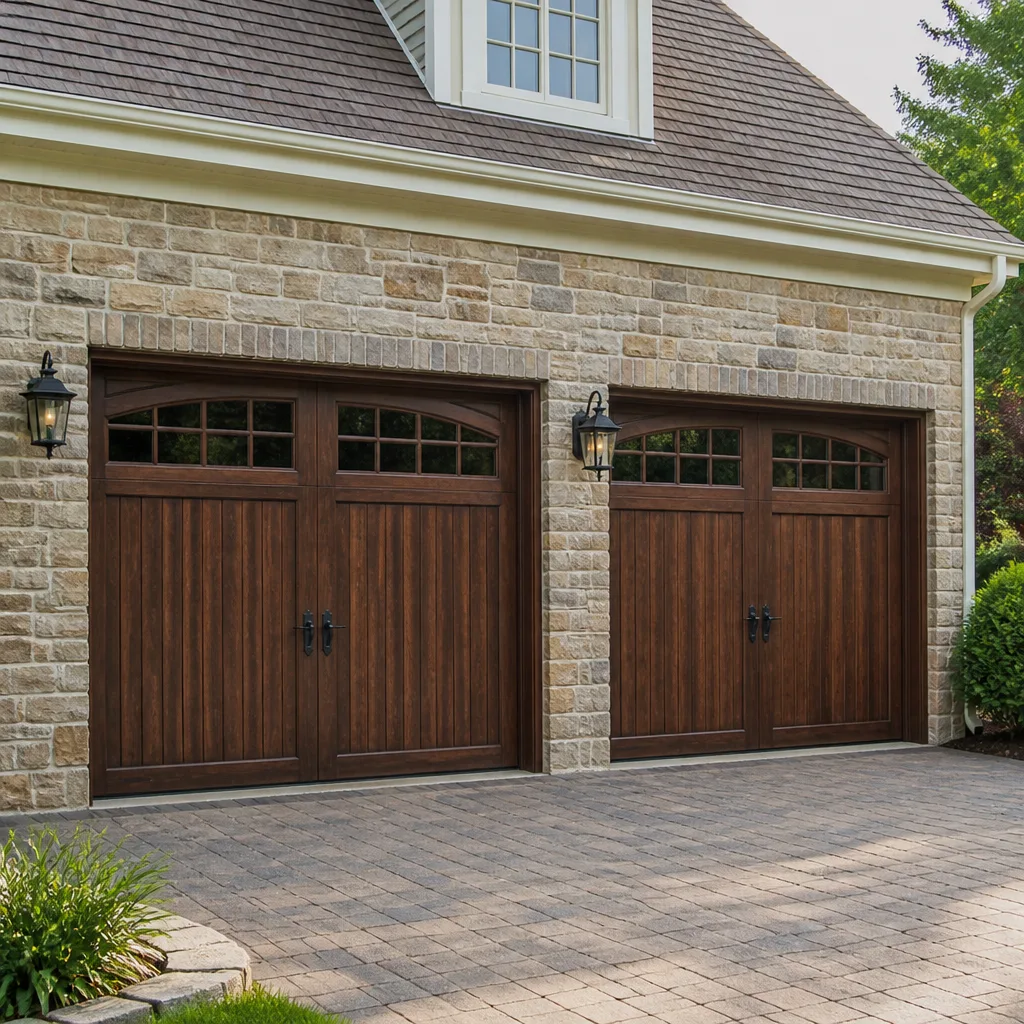 Carriage house
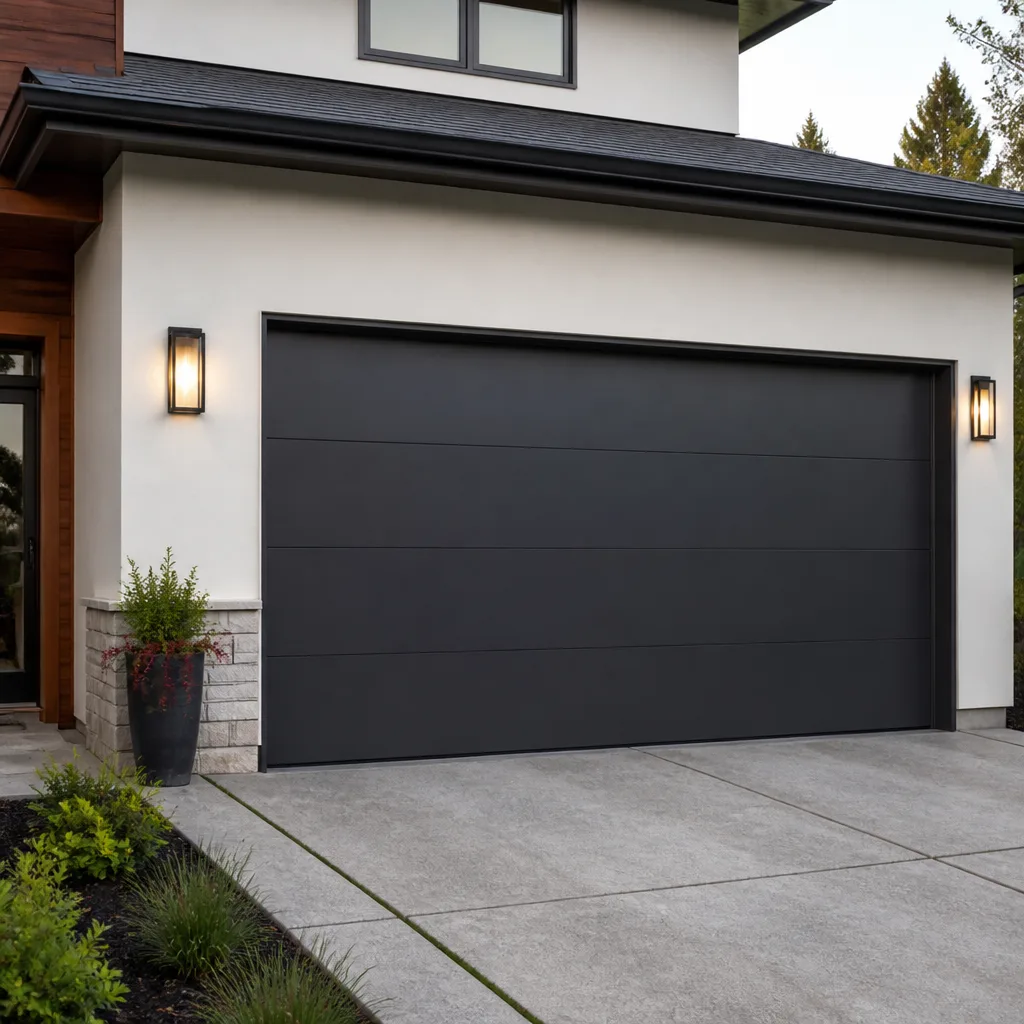 Modern flush
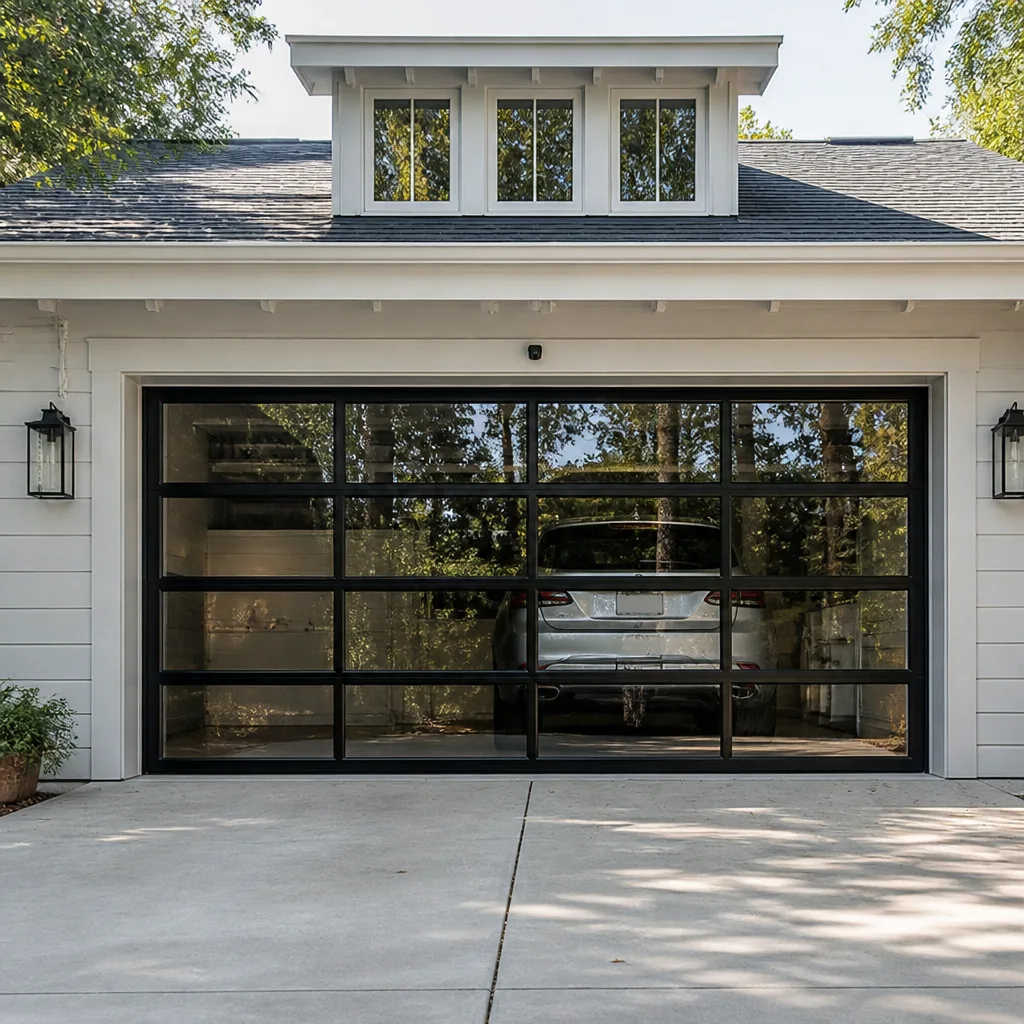 Full-view glass
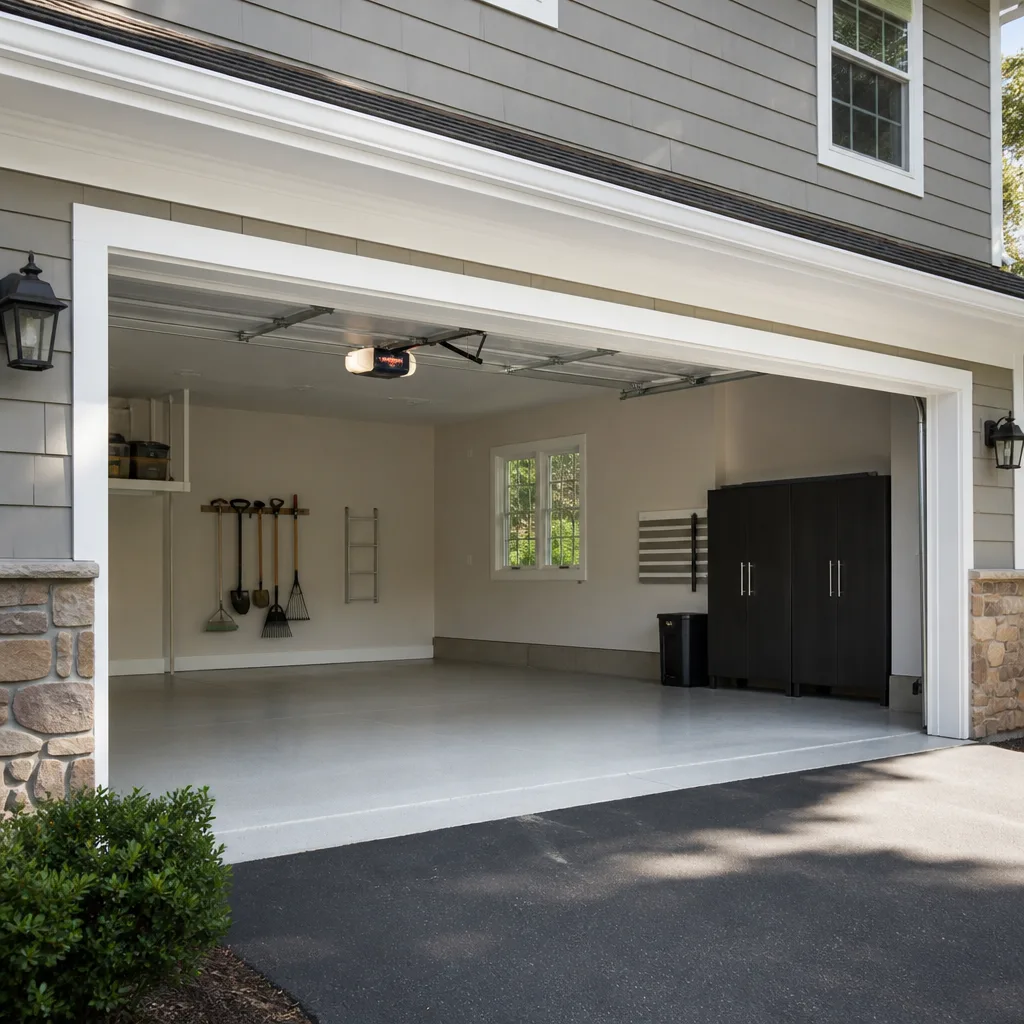 LiftMaster openers
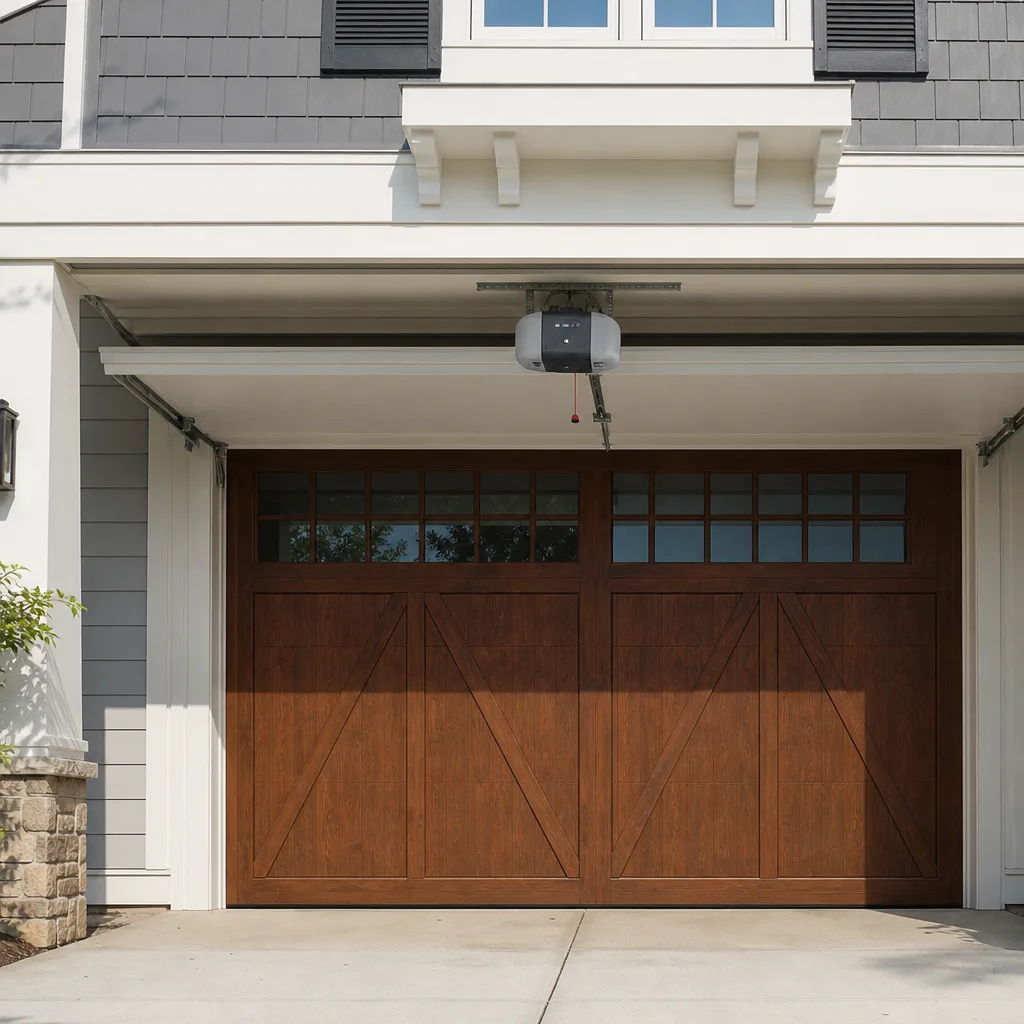 Chamberlain openers
Full 25-point door and opener safety check with every visit - springs, cables, rollers, tracks, and your LiftMaster or Chamberlain opener included
You get a price before we start. It does not change when the truck arrives.
Get your free estimateSeasonal Garage Door Care for San Marcos: Year-Round Homeowner’s Guide
San Marcos hits sustained temperatures above 95°F more often than most of coastal San Diego County, and that heat is the single biggest driver of torsion spring metal fatigue and weatherstrip cracking in this market. Homeowners who wait for a visible problem usually end up paying for a spring replacement, a panel refinish, or a full track realignment that a seasonal 20-minute check could have prevented. This guide breaks down the four maintenance windows that actually matter in San Marcos: Santa Ana fall winds, dry summer heat, winter rain, and spring pollen. You’ll learn what to check, when to check it, and which tasks genuinely require a garage door specialist rather than a can of spray lubricant. For The Complete Guide to Garage Door in San Marcos, see our full resource.
Quick Answer
Seasonal garage door maintenance in San Marcos means four targeted checks per year: fall Santa Ana preparation (track and roller cleaning, auto-reverse testing), pre-summer spring inspection, winter rain seal integrity, and spring UV and drainage assessment. Most homeowners can handle visual inspections and basic cleaning in under 30 minutes per season. Tasks involving torsion springs, cable tension, or opener electronics should be handled by a professional, since those components carry stored mechanical energy and incorrect handling causes serious injury. See The Complete Garage Door Repair Guide for San Marcos Homeowners for what those repairs involve.
Styles & brands we work with
Table of Contents
- Fall (September – November): Santa Ana Wind Preparation
- Winter (December – February): Rain, Clay Soil, and Seal Integrity
- Spring (March – May): UV Damage and Drainage Checks
- Summer (June – August): Heat Protocol for Springs and Panels
- One-Page Annual Maintenance Calendar
- Common Mistakes to Avoid
- When to Call a Professional
- Frequently Asked Questions
Fall (September – November): Santa Ana Wind Preparation
Santa Ana winds are not just a fire-weather concern. They carry fine dust and grit that settles into garage door tracks, rollers, and hinges. When the next wind event arrives, that accumulated grit gets packed deeper into the moving parts, accelerating roller wear and creating the grinding noise many San Marcos homeowners notice by late October. In our work across Carlsbad, Escondido, Vista, and San Marcos homes, the fall service calls are almost always the same: doors that were fine in August suddenly bind or squeak after the first two wind events of the season.
The fix is straightforward. Start with the track. Use a dry microfiber cloth to wipe the interior track channel from the bottom bracket to the curve, removing dust before it becomes a paste when mixed with grease. Do not use WD-40 as a track lubricant; it is a solvent that strips existing lubrication rather than adding any. For nylon rollers, a light silicone spray on the bearing stem works. For steel rollers, leave them alone unless they are already noisy, in which case replacement is the more durable solution than re-lubricating a worn part.
- Disconnect the opener and open the door manually to feel for resistance or binding. If you feel hesitation in a specific section, note where it occurs before moving on.
- Wipe both vertical tracks and the curved sections with a dry cloth. If you see caked-on residue, use a mild degreaser on the cloth, not directly on the track.
- Inspect each roller for a flattened or chipped wheel. A roller that has stopped rolling and started sliding is already damaging the track.
- Test the auto-reverse function by placing a 2×4 flat on the ground beneath the closing door. The door should reverse within 2 seconds of contact. Santa Ana low humidity shrinks seal gaps and can shift sensor alignment; we see more auto-reverse failures in October than any other month in San Marcos.
- Tighten visible bolts and lag screws on the track brackets and hinges. The dry air, combined with the vibration of daily cycling, works hardware loose faster than coastal humidity would.
One point worth emphasizing: Santa Ana winds do not just blow dust. They blow sand from the San Marcos foothills into the garage apron area, and that sand works into the bottom seal channel. Run a finger under the bottom seal in the fall. If you feel grit trapped there, it is abrading the seal every cycle.
Winter (December – February): Rain, Clay Soil, and Seal Integrity
San Marcos receives brief but intense winter rain, often concentrated in a handful of storms rather than spread across months. When the rain does arrive, the city’s clay-heavy soil expands. That expansion heaves garage floor slabs slightly, often by an eighth to a quarter inch, which changes how the bottom seal contacts the concrete. A seal that sat flush all summer can suddenly develop a visible gap at one corner in January. Water gets in, and along with it comes the debris that washes down driveways in the richer neighborhoods built against the foothills.
The winter check is the easiest of the four seasonal inspections, but it is the one most commonly skipped because nothing “looks broken” until the water is already inside. Here is what to look for in San Marcos specifically:
- Bottom seal contact: Close the door and inspect the seal line from inside the garage at dusk. Light visible under the seal means water can enter. Test both corners and the center; floor heave rarely affects the entire seal evenly.
- Threshold seal condition: If the garage has a rubber threshold strip glued to the concrete, check it for cracking or peeling. Clay soil movement puts shear stress on the adhesive line, and once water gets under the threshold, the bond fails quickly.
- Side and top weatherstrip: Run a flat palm along the exterior side seals. Cracking or stiffness means the weatherstrip is no longer doing its job. San Marcos does not freeze, but cold rain driven by winter wind gets pushed through any gap.
- Track drainage: Clear any leaf litter or silt from the lower track brackets and the track bottom, especially on west-facing garages that collect blowing debris from rain squalls.
If a bottom seal or threshold replacement is needed, it is typically a 20-minute service call and the most cost-effective winter preparation a homeowner can make. We keep a range of seal profiles on the truck specifically because Clopay, Amarr, and Wayne Dalton doors in San Marcos each take different extrusion shapes, and forcing a generic seal onto the wrong brand creates the same leak the homeowner was trying to fix. See Choosing the Right Garage Door Brand: A Buyer’s Guide for San Marcos to understand why brand matters for parts.
Spring (March – May): UV Damage and Drainage Checks
San Marcos gets roughly 260 sunny days a year, but the sun is not static. As the sun angle shifts higher in spring, UV radiation hits the garage door face more directly than at any other point in the year. This is when painted steel panels show the first signs of fade, chalking, or clear-coat failure. The effect is most pronounced on west and southwest-facing garage doors, and on darker colors with higher heat absorption. The master-planned communities with strict HOA color requirements, such as some neighborhoods off Twin Oaks Valley Road, often see premature finish degradation because the approved palette leans toward dark earth tones.
Spring is also when pollen from the coastal sage scrub and ornamental landscaping in San Marcos reaches peak levels. That pollen adheres to the door surface and, when mixed with morning dew, forms a slightly acidic film. Over the course of several weeks, that film etches into automotive-style clear coats on steel panel doors. A simple rinse in April prevents a refinish bill in a few years on higher-end doors. For wooden doors, the same film promotes mildew in the grain. Here is the spring sequence:
- Wash the exterior door face with mild soap and water using a soft brush. Do not pressure-wash; high-pressure water forces past panel seams and damages the interior insulation or backing.
- Inspect the surface for fading or chalking. Rub a fingertip across the paint. If color comes off on your skin, the clear coat has failed and professional refinishing is the only durable fix.
- Check the garage apron drain channels and floor drains. San Marcos stormwater runs fast and debris-filled during spring showers, and a clogged apron drain sends water toward the door bottom.
- Test the balance of the door by disconnecting the opener and lifting the door manually to waist height. It should stay in place. If it sinks, the spring tension is off, and this is a professional adjustment, not a DIY project.
- Look for spider webs and mud dauber nests inside the opener rail and sensor housings. These attract moisture and debris, and they interfere with the optical sensors that trigger the auto-reverse system.
Summer (June – August): Heat Protocol for Springs and Panels
Inland San Marcos heat is not a gradual thing. It spikes. A week of 100°F plus temperatures, often arriving with little transition in June, puts torsion springs under maximum thermal stress. Hot metal expands, and a torsion spring already micro-fractured from thousands of cycles will finally snap during the hottest stretch of the year. This is not a coincidence. We see consistently higher torsion spring failures in San Marcos in July and August than any other two-month period. Homeowners in the higher-elevation parts of the city, particularly around San Elijo Hills, feel it most because their garages receive full afternoon sun exposure.
The summer protocol exists because spring failure is predictable, and the inspection catches it before the door snaps under tension. Here is what matters:
- Listen for a loud bang from the garage: torsion springs snap audibly. If you hear it, the door is now unbalanced and the remaining spring is carrying double load. Do not operate the door. Call for service immediately.
- Inspect the spring gap: with the door closed, look up at the torsion tube above the door. A healthy spring shows a tight, continuous coil. A gap wider than the thickness of a nickel means the spring is stretching or has already broken. If the spring has a visible gap, do not touch it.
- Check cycle count on high-cycle springs: most standard residential springs are rated for 10,000 cycles. High-cycle springs are often rated for 25,000 or more. A family that cycles the door 5 times a day crosses 10,000 cycles in about five and a half years. If the home is older than that, and springs have never been replaced, they are on borrowed time when summer heat arrives.
- Examine panel surfaces for oil-canning: metal panels in direct sun expand and contract daily. Over time, this can cause slight warping or the visual dimpling known as oil-canning, especially on wider double doors. If the garage faces south or west, the effect is accelerated. It is cosmetic, but if it appears suddenly, it can indicate the door frame or track has shifted and the panels are now under lateral stress.
- Feel the interior of the garage at 3 PM: if the inside of the garage is dramatically hotter than the outside air, the door’s insulation value is insufficient. The fix is either an insulated door replacement, or adding a radiant barrier, depending on whether the current door was ever designed for the inland San Marcos microclimate.
The critical safety point: torsion springs store energy under high tension. When one snaps, it releases that energy violently. The spring, the winding cone, and the metal shards can move fast enough to cause severe injury. We never recommend adjusting, removing, or “checking the tension” on a torsion spring as a homeowner task. Visually inspecting the spring gap is safe. Everything beyond that is a professional repair, no exceptions.
One-Page Annual Maintenance Calendar
Print this section and tape it to the wall beside the garage door opener button. Four checks, roughly 30 minutes each, covering the entire year.
| Season | Months | Tasks | Professional Needed? |
|---|---|---|---|
| Fall | Sept – Nov | Track cleaning, roller inspection, auto-reverse test, hardware tightening | No (unless auto-reverse fails) |
| Winter | Dec – Feb | Bottom seal check, threshold inspection, weatherstrip condition, track drainage | Yes if seal replacement needed |
| Spring | Mar – May | Panel UV inspection, door wash, balance test, sensor cleaning, drain check | Yes if balance fails |
| Summer | Jun – Aug | Spring gap inspection, cycle-count audit, panel warp check, insulation assessment | Yes if spring gap found |
The pattern is clear: most seasons end with a judgment call. If the door passes the visual checks and the auto-reverse works, no professional is needed. If a seal, spring, or balance issue shows up, the professional call is cheaper than the repair that follows a failed part. That is the entire philosophy of seasonal garage door care in San Marcos: inspect small, repair cheap, avoid the big failure. For more guides & resources on keeping your door running, visit our blog. And note: none of these checks should take more than a weekend morning, and most are done in the time it takes to pull the car out and walk back in.
Common Mistakes to Avoid
- Using WD-40 on moving parts. WD-40 is a water displacer and solvent, not a lubricant. It strips existing lubrication and leaves metal parts unprotected against San Marcos’s dry-air dust cycle. The proper product is a silicone spray for nylon rollers or a white lithium grease for hinges, applied sparingly.
- Ignoring the auto-reverse system year-round. Auto-reverse sensors misalign for many reasons: a kid bumping a sensor with a bike, a Santa Ana wind rattling a bracket, dust accumulation. Test it every season with a 2×4, not a cardboard box, because a compressed box gives a false pass.
- Lubricating noisy rollers instead of replacing them. A roller that is already grinding has bearing wear. Adding lubricant is a bandage over a mechanical failure, and a seized roller will cut a groove into the track, turning a $25 roller replacement into a $200 track replacement in San Marcos’s dusty conditions.
- Treating all San Marcos garages as identical. A garage in a lower-lying area near Restaurant Row deals with different drainage and soil movement than a garage at elevation in San Elijo Hills. West-facing doors in newer developments absorb heat differently than shaded doors in older neighborhoods with mature tree cover. The inspection needs to account for microclimate, not just season.
- Pressure-washing the door surface. High-pressure water bypasses panel seals and soaks into the interior insulation or the back of a wooden door. The result is mold, delamination, or rust you cannot see from the outside until the panel fails. Use a hose, a bucket, and a soft brush.
- Waiting for the loud bang before checking springs. The loud bang is the failure. The monthly visual spring-gap check is the prevention. Between a visible gap and a snapped spring, there is often just one heat spike or a handful of cycles.
- DIY spring adjustments based on YouTube videos. Torsion springs store enough energy to break bones or cause death when mishandled. This is not an exaggeration. The winding bars, the proper socket size, the correct spring orientation, and the torque count are all critical, and a mistake at winding tension is irreversible. This is the single most dangerous home-repair task people attempt in San Marcos garages.
When to Call a Professional
Some seasonal maintenance tasks are safe and simple, like track cleaning and auto-reverse testing. Others are not. If you see a visible gap in a torsion spring, call a professional before touching the door again. If the door is visibly unbalanced, meaning one side closes before the other or it slams on the way down, call. If the opener runs but the door does not move, or the door operates erratically for no clear reason, call. If the bottom seal is cracked, split, or gapped across more than a couple of inches, call. If a panel is dented or cracked after an impact, call before water and insects move in. And if anything looks structurally loose at the track brackets or hinges, call. The team at SD Garage Door home has served San Marcos and the surrounding North County market since 2014. We offer free estimates, and the price is quoted and agreed before any work starts, including Garage Door Repair in San Marcos. For seasonal maintenance, opener diagnostics, or full replacement, call (833) 589-6906.
Frequently Asked Questions
Four times per year, aligned with the seasonal markers: fall Santa Ana prep, winter rain readiness, spring UV and drainage checks, and summer heat protocol. Each session is 20 to 30 minutes of visual inspection and light cleaning. This cadence matches San Marcos’s actual climate patterns rather than the generic “once a year” advice that ignores the Santa Ana winds and inland heat spikes that define this part of San Diego County.
Visual inspections and basic cleaning cost nothing if you do them yourself. If during your inspection you find a problem – a cracked bottom seal, a worn roller, a stretched spring – the repair cost depends on the part. A bottom seal replacement typically runs $85 to $160 on most doors in this market. A roller replacement is $15 to $30 per roller. A torsion spring replacement on a standard double door typically lands between $220 and $380 installed. Those are the three most common repairs that come out of seasonal checks in San Marcos. Call (833) 589-6906 for an exact quote on your specific door and brand. Estimates are free.
Yes. We work on the brand you already have. Our technicians are factory-familiar with eight major brands: LiftMaster, Chamberlain, Genie, Clopay, Amarr, Wayne Dalton, Craftsman, and Raynor. That covers virtually every door or opener installed in San Marcos, from the older Wayne Dalton doors common in 1990s-era homes to the newer Genie and LiftMaster openers being installed in current developments. We do not push replacement when a repair is the better answer. For opener-specific work, see Garage Door Opener Repair in San Marcos.
For seasonal maintenance items that turn up a problem, like a cracked seal or a failed spring, same-day or next-day service is typically available. We prioritize spring failures and safety-related issues, because a door stuck open or a spring under uneven tension is a security risk and a hazard. For non-emergency adjustments or part replacements discovered during a seasonal check, we will schedule at your convenience. Call (833) 589-6906 and tell us what you found during your inspection; we will quote the price before any work begins.
If you cycle the door more than 4 times a day or plan to stay in the home for more than 5 years, yes. Standard torsion springs are typically rated for 10,000 cycles, which translates to roughly 5 to 7 years of regular use in a single-family San Marcos household. High-cycle springs are rated for 25,000 cycles or more, effectively doubling or tripling the lifespan for a modest upcharge. Given that San Marcos summer heat accelerates metal fatigue, the high-cycle upgrade is more cost-effective in this microclimate than in coastal areas. When you need a spring replacement, ask for the high-cycle option specifically.
Sometimes. Many home warranty policies in California cover garage door openers and, in some cases, springs, but exclusions are common. The most frequent exclusions we see in San Marcos are on cosmetic components like weatherstripping and on multi-spring replacements when only one spring has failed. Always review the exact policy language before assuming coverage. If the warranty company sends a general handyman, be aware that a non-specialist often misdiagnoses spring and opener issues, and the result is a return visit anyway.
The Bottom Line
San Marcos garage doors face four distinct seasonal stressors: Santa Ana wind grit in fall, clay soil heave and rain in winter, UV shifts and pollen in spring, and sustained heat in summer. Each stressor creates a predictable failure mode, and each failure mode can be caught during a 20-minute inspection before it becomes an emergency repair. The garage-door-only focus means faster diagnosis and the correct part on the first visit, whether that is a Genie opener logic board or a Clopay panel. The four-season calendar is the framework; the annual repetition is the habit. Start with the current season, work through the checklist, and if anything raises a question, you know who to call. For Garage Door Installation in San Marcos or any seasonal service, reach us at (833) 589-6906. Free estimates, quoted and agreed before any work starts.
Written by the team at SD Garage Door, serving San Marcos since 2014.
See the difference
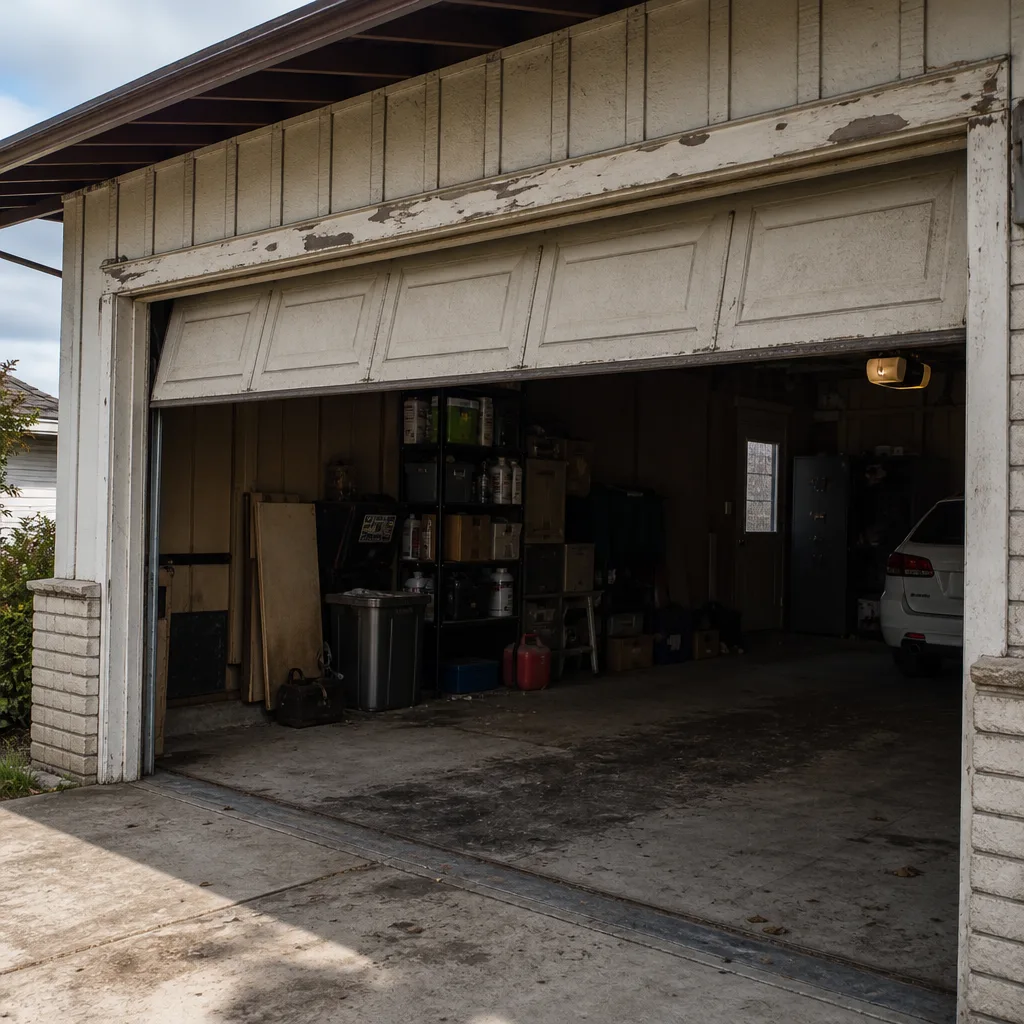 Before
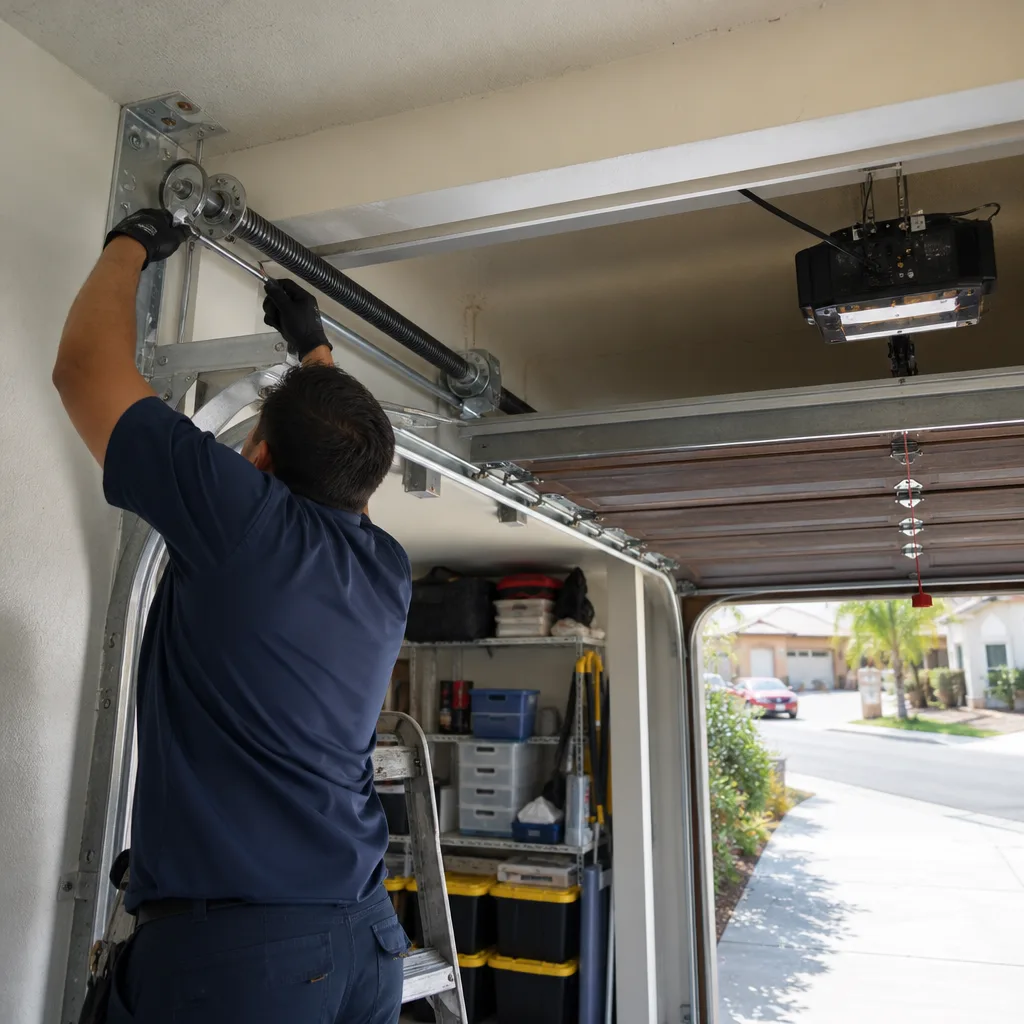 After
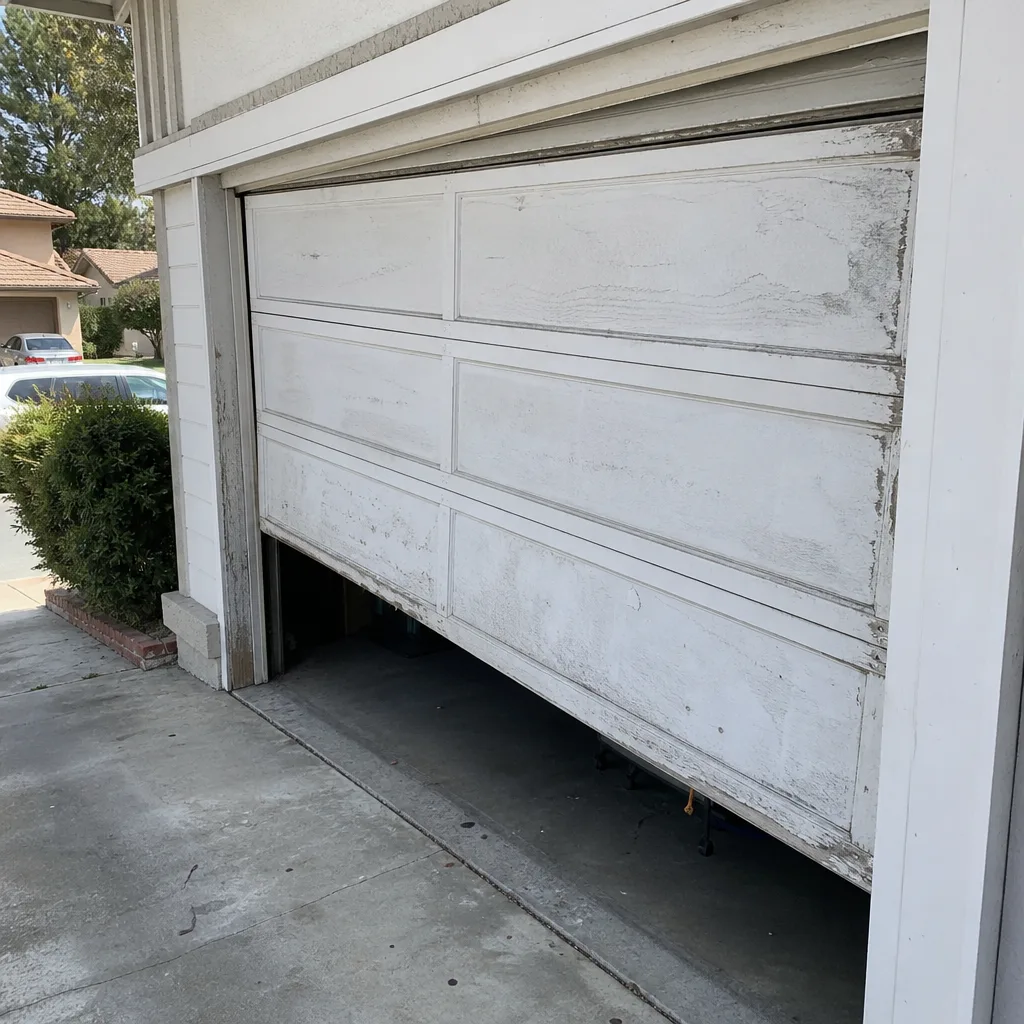 Before
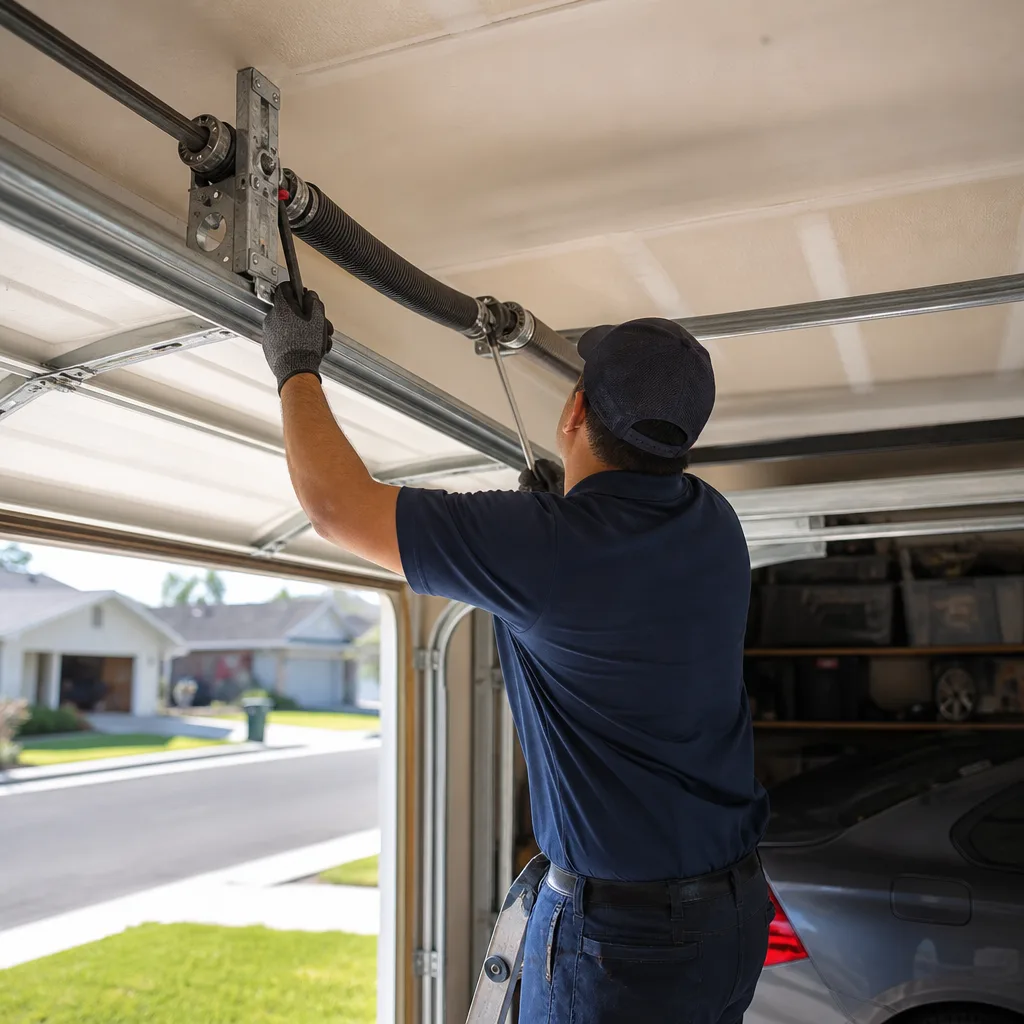 After
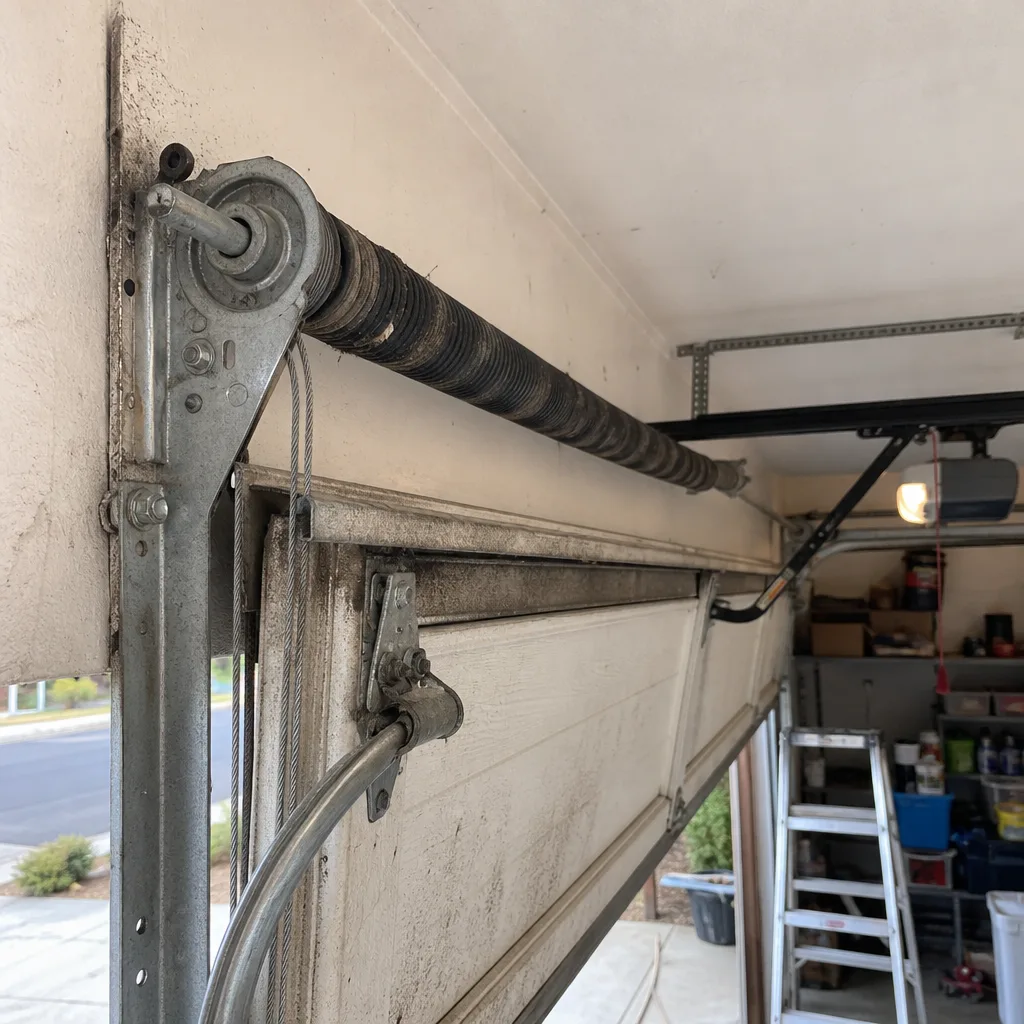 Before
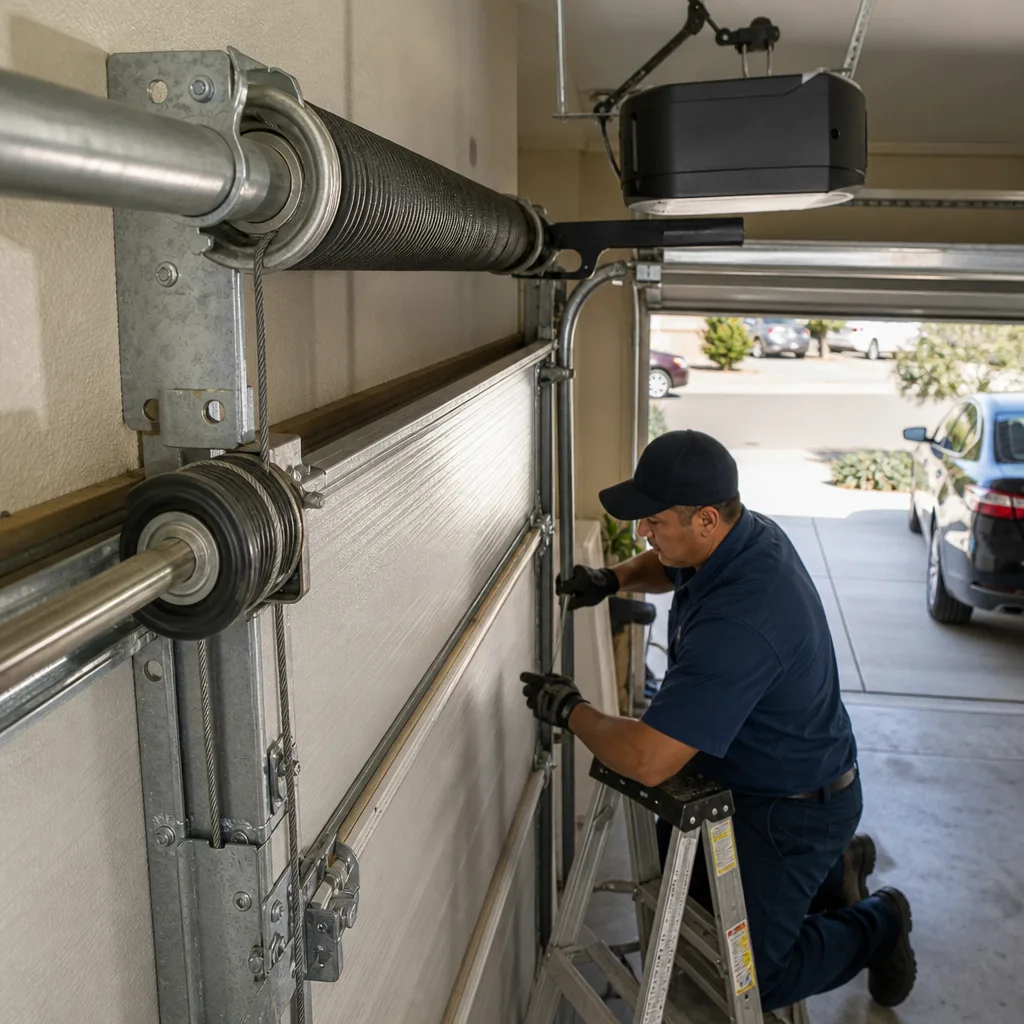 After