
Last updated October 31, 2026
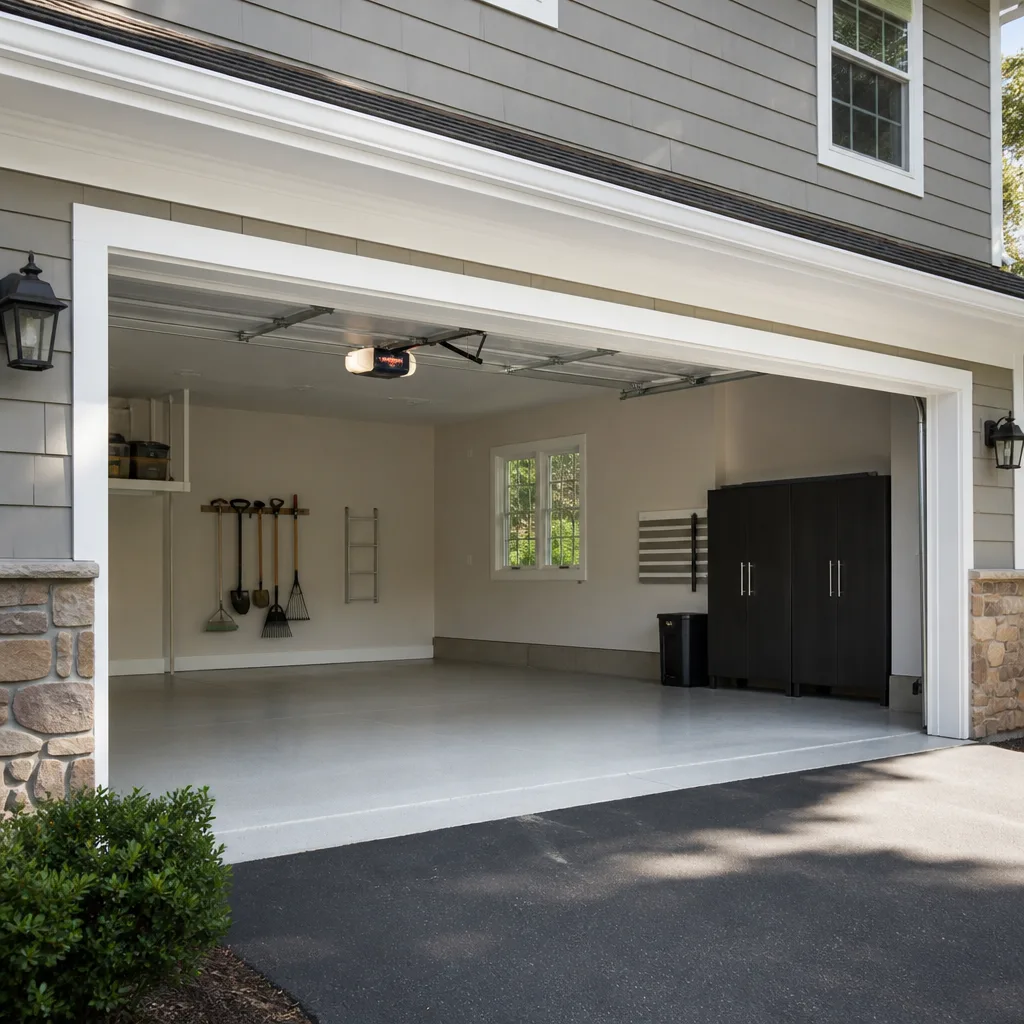
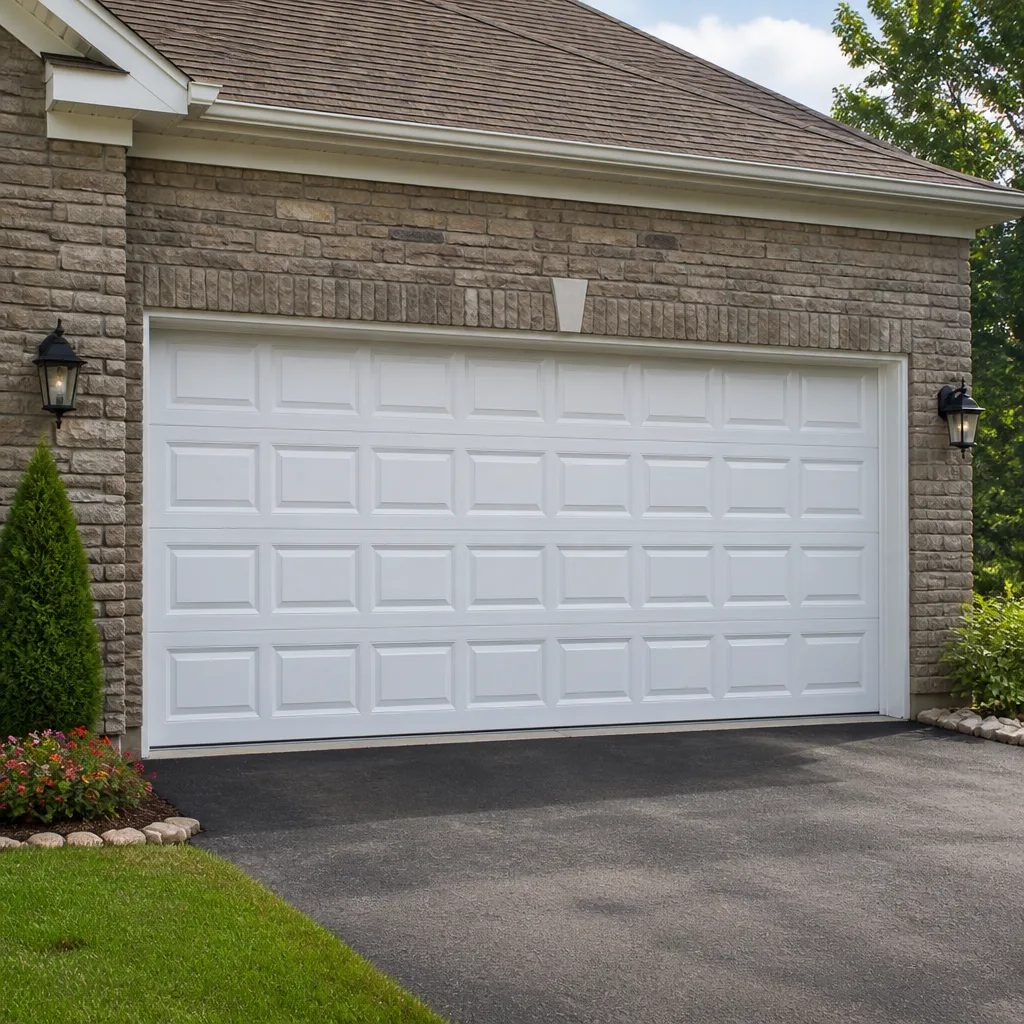 Raised-panel steel
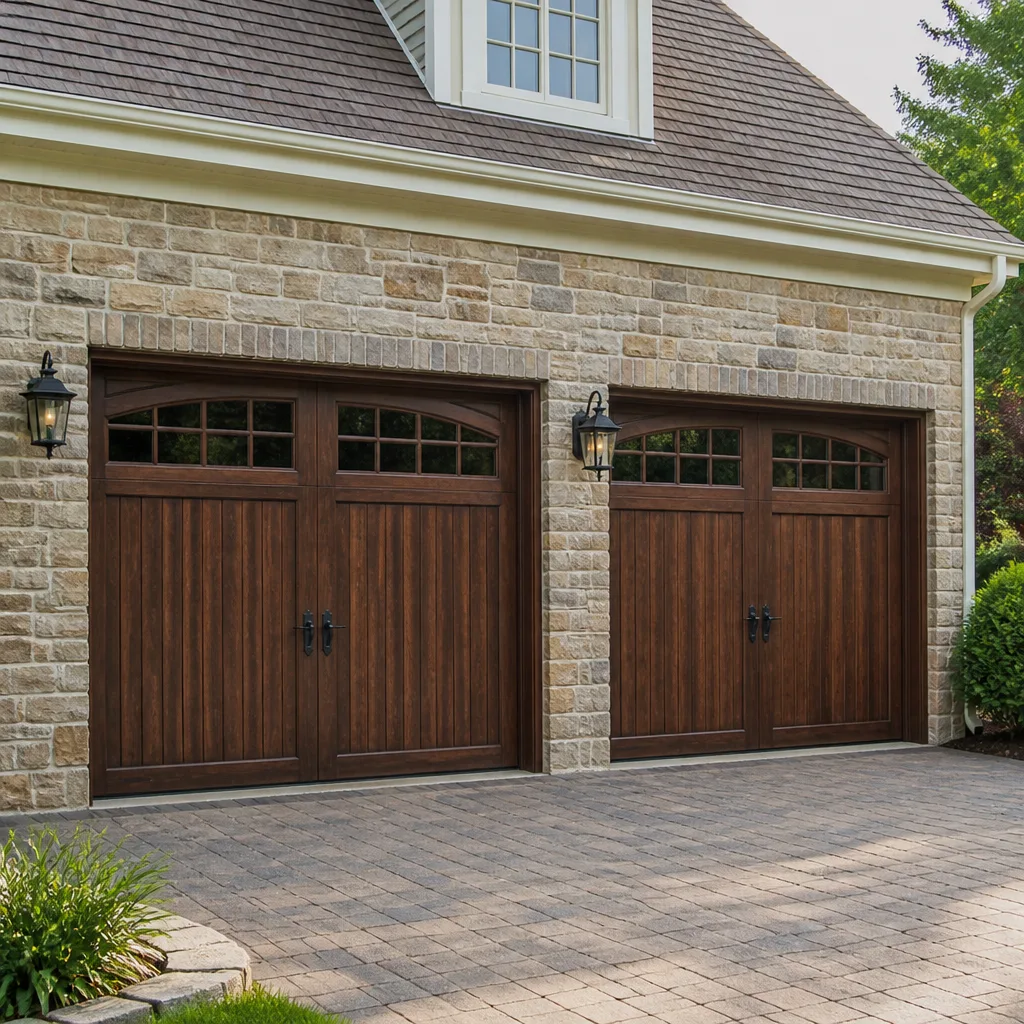 Carriage house
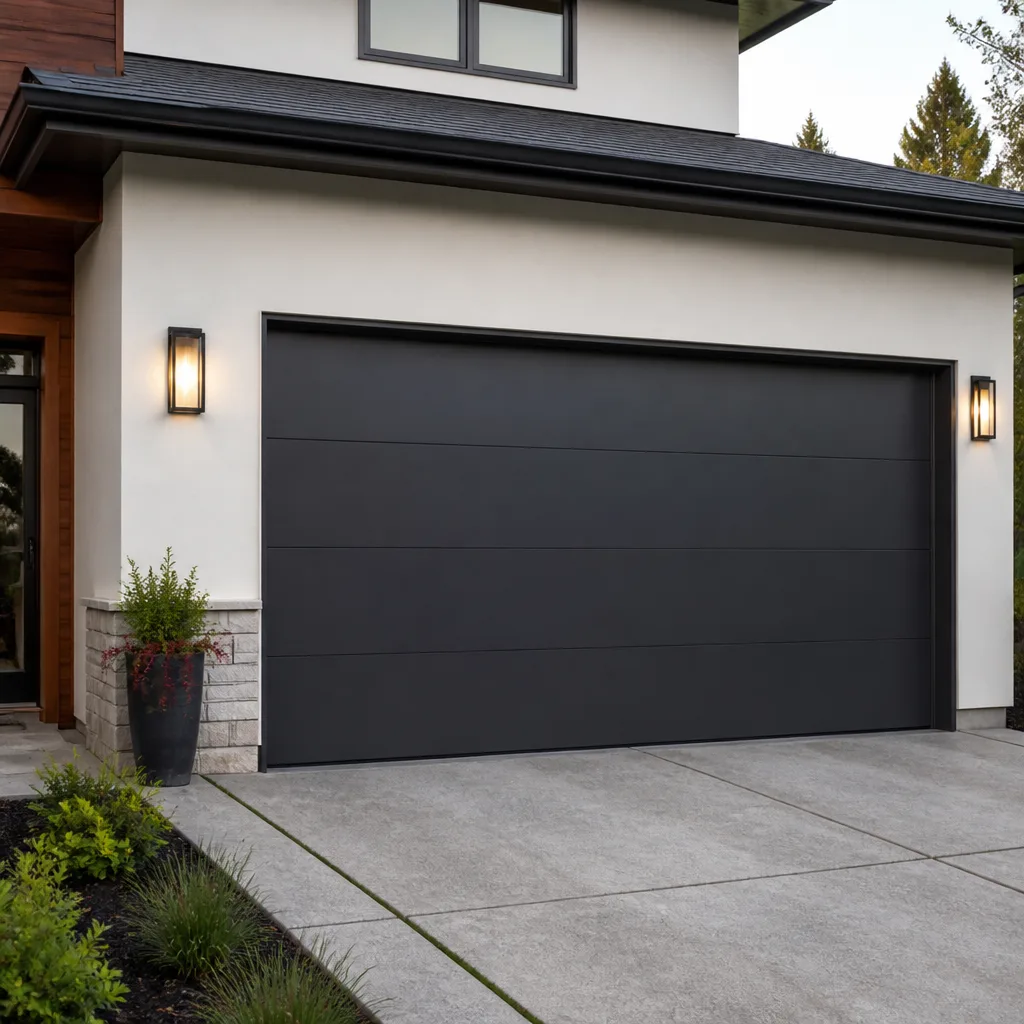 Modern flush
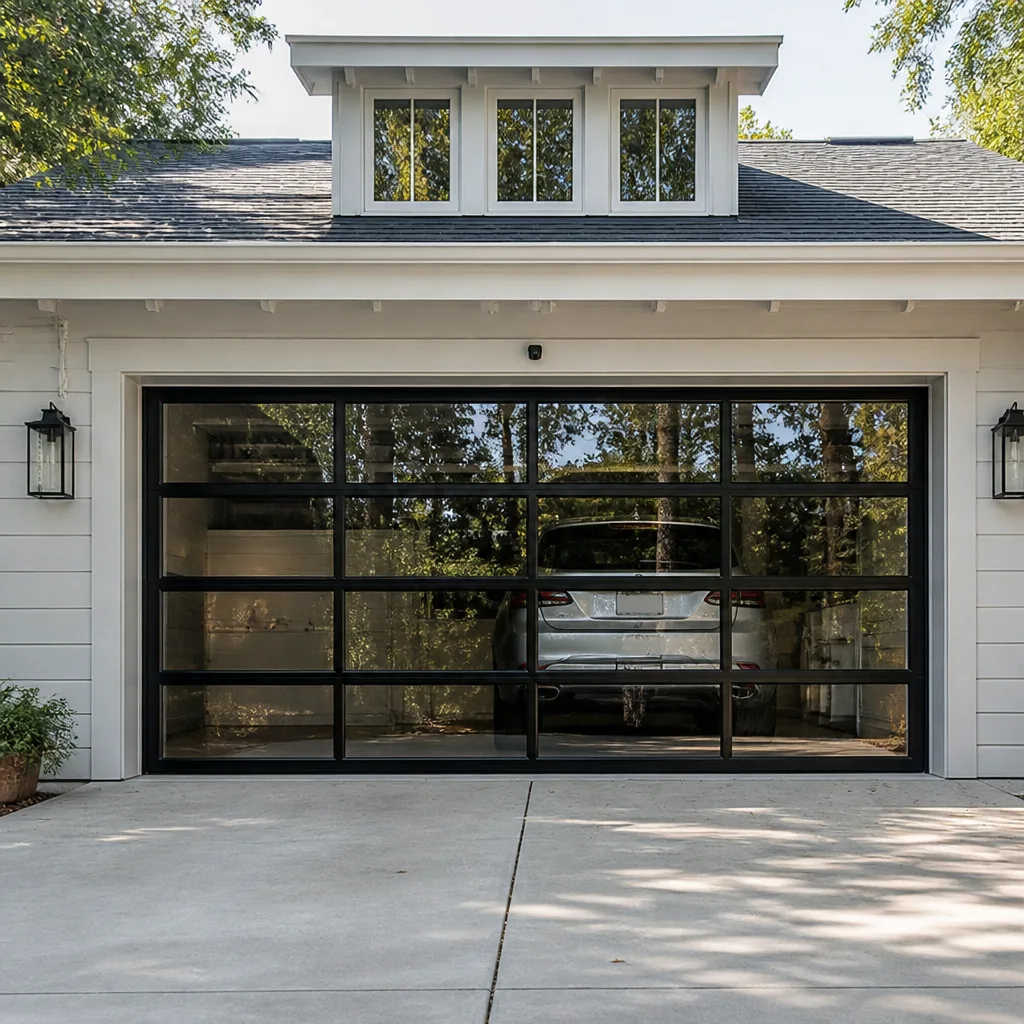 Full-view glass
 LiftMaster openers
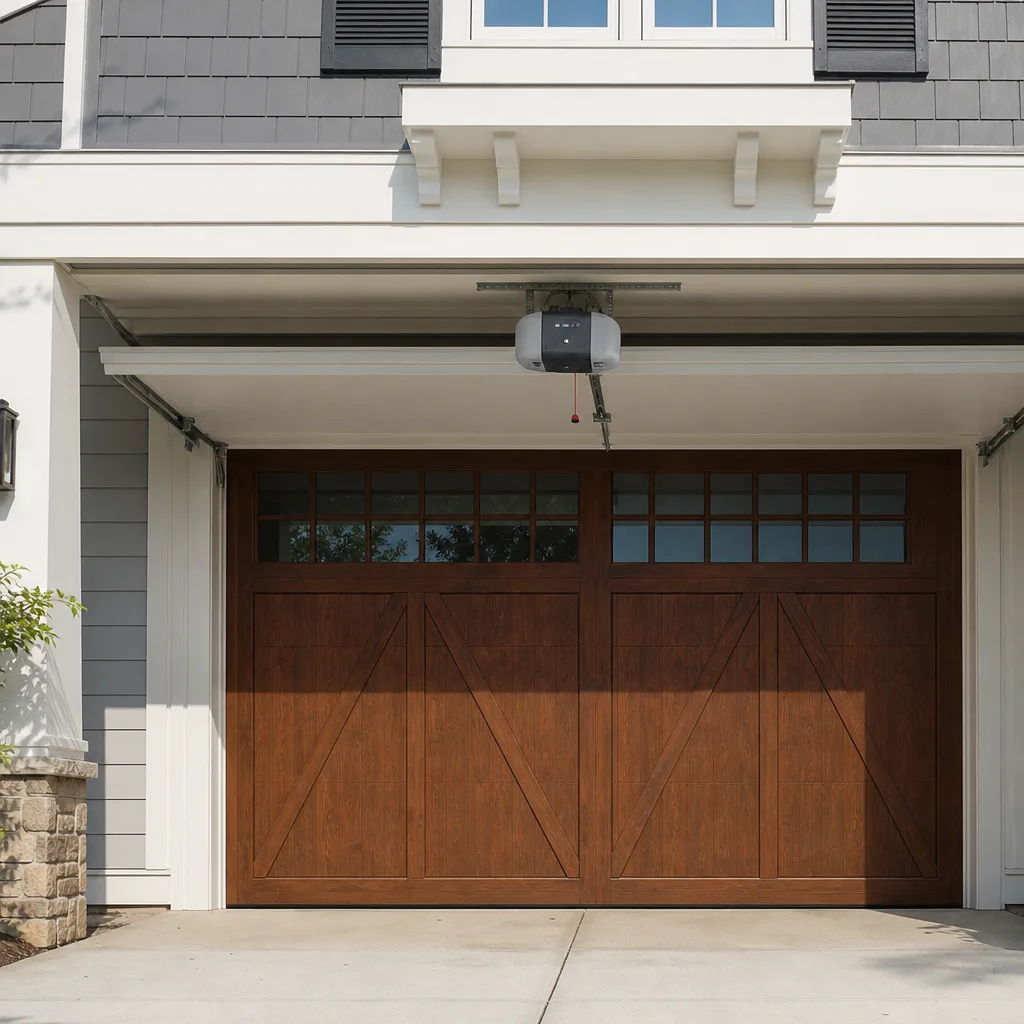 Chamberlain openers
Full 25-point door and opener safety check with every visit - springs, cables, rollers, tracks, and your LiftMaster or Chamberlain opener included
You get a price before we start. It does not change when the truck arrives.
Get your free estimateHow to Hire a Garage Door Contractor in San Marcos: A Step-by-Step Guide
Here’s a stat that surprises most San Marcos homeowners: in California, anyone performing garage door work for more than $500 in labor and materials must hold a C-61/D28 specialty license from the Contractors State License Board. Yet a meaningful share of the bids floating around San Diego County come from general contractors, handymen, or HVAC companies operating under a different classification or none at all. If a door falls on someone or a spring snap causes property damage, the homeowner can be left holding the liability. This guide walks you through exactly how to screen for a genuine garage door specialist before anyone puts a wrench to your tracks.
Styles & brands we work with
Quick Answer
To hire a garage door contractor in San Marcos, verify their C-61/D28 license on the CSLB website, confirm they carry specific brand experience for your door and opener, get a written estimate that itemizes parts and spring specs, and check reviews that mention garage door work specifically. A legitimate specialist will answer brand and spring-cycle questions without hesitation; a generalist will talk around them.
Table of Contents
- Step 1: Verify the C-61/D28 License in Under 60 Seconds
- Step 2: Screen for Brand-Specific Knowledge, Not Just Availability
- Step 3: Interview Questions That Separate Specialists from Generalists
- Step 4: What a Legitimate Written Estimate Must Include
- Step 5: Five Red Flags in Garage Door Bids
- Step 6: How to Read Reviews for Garage Door Work Specifically
- Step 7: Why the Lowest Bid Usually Costs the Most
- Common Mistakes to Avoid
- When to Call a Professional
- Frequently Asked Questions
- The Bottom Line
Step 1: Verify the C-61/D28 License in Under 60 Seconds
California requires a C-61/D28 classification, which covers “door and window installation and repair” including garage doors, for any job exceeding $500. That threshold is lower than most people assume. A torsion spring replacement with parts and labor in San Marcos frequently crosses it. So does any opener replacement.
Here’s the exact process on the CSLB website:
- Go to cslb.ca.gov and click “Check a License” in the top navigation.
- Enter the contractor name or license number exactly as it appears on their bid or vehicle. If you don’t have the number, search by business name.
- Look for the classification field. It must say “C-61/D28” or list “Door and Window Installation/Repair” as a classification. A Class B General Building license does not automatically qualify someone for garage door work.
- Check the status. It should say “Active.” If it says “Suspended,” “Expired,” or “Revoked,” do not proceed, regardless of how good the quote looks.
- Check bonding and insurance fields. Workers’ compensation insurance should show as “Active” if the contractor has employees. A contractor who lists themselves as a sole proprietor with no employees is not required to carry workers’ comp, but they should still carry general liability.
- Look at the license issue date. A contractor who has held a D28 classification for years, not weeks, tells you something about consistency.
In San Marcos specifically, we’ve heard from homeowners who assumed a handyman’s city business license was the same thing as a CSLB contractor license. It is not. San Marcos requires a business license to operate, but that document says nothing about competency in torsion spring replacement. Only the CSLB classification does.
If a contractor hesitates to provide a license number, or says they work “under someone else’s license,” that is a disqualifier. Full stop.
Step 2: Screen for Brand-Specific Knowledge, Not Just Availability
The garage door market is not one product. A Wayne Dalton door uses different spring engineering than an Amarr. A LiftMaster opener with a DC motor and belt drive behaves differently than a Craftsman chain-drive unit from 2008. A technician who “works on all doors” but cannot tell you the difference in torque tube diameters or opener rail compatibility is a generalist in specialist clothing.
When you call a contractor in San Marcos, ask this question early: “What brands do you work on most often?”
Listen to the answer. A specialist answers with brand names immediately. They tell you whether the spring on your Clopay steel-back door is a standard torsion or EZ-Set, and they know whether a Raynor opener requires a specific wall console for programming. A generalist says “all brands” and then changes the subject to pricing.
Here’s what brand fluency actually sounds like in practice:
- LiftMaster openers: the technician knows which models work with MyQ integration and which security+ 2.0 remote frequencies match which year of manufacture.
- Wayne Dalton doors: they know that older Wayne Dalton models used a TorqueMaster spring system instead of a conventional torsion bar, and they carry or can order the right conversion parts rather than improvising.
- Craftsman: they know that many Craftsman openers were manufactured by Chamberlain, so remotes and safety sensors are often interchangeable, but programming logic differs by generation.
- Raynor: they know that Raynor commercial and residential spring systems often use specific drums and cable lengths that aftermarket generic parts do not match correctly.
Brand training matters because parts are not interchangeable. A generic torsion spring installed on a door engineered for a specific wire diameter and IPPT rating will run rough, cycle unevenly, and fail early. When we repair doors in San Marcos, the diagnosis starts with the brand and model on the door itself, not with a price sheet.
Step 3: Interview Questions That Separate Specialists from Generalists
Most homeowners ask a contractor three things: can you come, how much, and how long. Those are the wrong questions to lead with. They tell you nothing about whether the person will diagnose the root cause or just patch the symptom. Before you discuss price, ask these five questions. A garage door specialist answers all of them without pausing.
Question 1: “What IPPT rating will the replacement spring have?”
IPPT stands for inches per pound per turn. It’s the industry measure of spring capacity. A residential torsion spring is typically rated between 10,000 and 20,000 cycles depending on the wire gauge and coil length. A cheap generic spring might be rated for 5,000 cycles, meaning it will fail in three to five years of daily use. A specialist asks how many times per day the door goes up and down, then specs the spring accordingly. A generalist installs whatever is on the truck. If a contractor cannot tell you the IPPT or cycle rating of the spring they’re quoting, that is a serious red flag.
Question 2: “Will the replacement parts be OEM or aftermarket?”
OEM parts come from the door or opener manufacturer. Aftermarket parts are built by third-party suppliers. Some aftermarket parts are excellent. Many are undersized or dimensionally imprecise. A specialist can tell you which parts they source, for which brands, and why. For example, we often use OEM-equivalent springs from manufacturers matched to the original door engineering. For openers, we carry brand-specific logic boards and remotes from LiftMaster rather than universal kits that sometimes work and sometimes don’t. If a contractor says “parts are parts,” walk away.
Question 3: “What’s the cycle rating on the door you’d recommend for this house?”
This matters more for replacement doors. A budget 8×7 steel door might carry a 10,000-cycle rating. A mid-range door with torsion springs and upgraded hardware might be rated 25,000 cycles or more. In San Marcos, where many homes were built in the 1990s and 2000s and still have original doors, that difference translates to whether the next door lasts 10 years or 25. A contractor who cannot discuss cycle ratings is selling sheet metal, not a door system.
Question 4: “How old is the opener rail, and does it match the motor?”
Openers are not just motors. The rail, trolley, and belt or chain work as a system. A used rail paired with a new motor can cause premature wear. A specialist checks rail sag, trolley alignment, and force settings together. This is where brand-specific training shows up: a LiftMaster belt drive uses a different rail and carriage than a Genie screw drive. Someone who replaces only the motor head and leaves the old rail is saving themselves labor and costing you lifespan.
Question 5: “Do you handle the door and the opener, or do you sub out either one?”
A door company that cannot repair both the mechanical door system and the electronic opener will hand you off to someone else, and then you’re managing two vendors and two warranties. In our experience, the smoothest repairs in San Marcos happen when one company owns the whole job: springs, cables, panels, opener, sensors, remote programming. The moment you hear “we don’t really do openers” or “we’ll have someone else look at the motor,” you are hiring a coordinator, not a technician.
Step 4: What a Legitimate Written Estimate Must Include
A verbal quote is a suggestion. A written estimate is a contract. In San Marcos, any contractor who will not put the scope in writing should not be on your property. But not all written estimates are equal. A one-line “garage door repair: $450” tells you nothing and leaves the contractor free to substitute cheaper parts at installation.
A legitimate written estimate for garage door work includes:
- Scope of work: exactly what will be repaired, replaced, or installed. “Replace one torsion spring” is specific. “Fix door” is not.
- Part numbers or specifications: spring wire gauge, inside diameter, length, and IPPT rating if springs are involved. For openers, the brand and model. For panels, the door brand and panel size.
- Brand names: if a part is OEM, the estimate should say so. If it’s aftermarket, the estimate should say that too. “Equivalent” without a manufacturer or spec is a warning sign.
- Labor warranty: the number of days or years, and what it covers. Labor warranties in garage door work typically run 90 days to 2 years in the San Marcos market. Parts warranties vary by manufacturer.
- Disposal: who removes the old door, spring, or opener, and whether that cost is included. Old doors and openers are heavy and bulky. Some contractors charge $50 to $150 for haul-away. A legitimate estimate states it.
- Total price: parts, labor, tax, and any permit or inspection fees if applicable. No “plus whatever else we find” language unless it defines what “else” means and caps it.
- Timeline: same-day for spring repair, or a scheduled date for installation. A repair quote with no time commitment is a placeholder, not a quote.
A vague quote is the first step toward a changed invoice. In garage door work, the parts cost is the part that moves. A contractor who writes “spring replacement, starting at $150” is quoting a spring that may or may not be rated for your door. The legitimate quote says “one .225 x 2″ x 27″ torsion spring, 18,000 cycle rating, installed: $X.” That level of specificity protects you.
If you’re not sure how to evaluate an estimate, get a second one. Two detailed quotes from licensed D28 contractors will show you the reasonable range for the work. One detailed quote and one vague one will show you who to hire.
For typical repair costs in San Marcos, see our Garage Door Repair in San Marcos page.
Step 5: Five Red Flags in Garage Door Bids
Some warning signs are obvious. Others are subtle enough that homeowners miss them until the work is underway. These five red flags show up routinely in San Marcos bids we’ve seen.
- The bid is a single line with a round number. “Garage door repair: $400.” No parts listed, no labor, no brand, no spring spec. This is a number pulled from experience with other jobs, not a quote for your door. The invoice will not match the bid.
- The contractor refers to the spring generically. If the quote says “spring” without wire gauge, diameter, length, or cycle rating, you’re being quoted the cheapest spring on the supplier’s shelf. Undersized springs are the single most common cause of repeat failures we see in San Marcos garage doors.
- The contractor cannot produce a CSLB number. We covered this above, but it bears repeating: no license number, no work. A legitimate operator has the number printed on the vehicle, the bid, and the business card. Anyone who hedges on this question has a reason.
- The estimate excludes haul-away or disposal, and the contractor won’t clarify in writing. This is the classic bait-and-switch on installation jobs. The door price looks competitive, and then you’re standing in your driveway with an old 16-foot steel door and a contractor who says removal is extra. Write it in or don’t sign it.
- The contractor pushes a brand you didn’t ask for. If you have a working Clopay door and the tech arrives with a pitch to tear it out and install a different brand because theirs is “better,” you are talking to a salesperson. A repair-minded specialist fixes what’s broken and tells you honestly when replacement is the better economic call. In our experience, a door with a sound frame and panels is almost always worth repairing unless the panel damage or spring failure is structural.
Step 6: How to Read Reviews for Garage Door Work Specifically
Google and Yelp reviews are useful, but only if you read them through the right filter. A contractor with 400 five-star reviews might earn most of them for bathroom remodels. That does not tell you whether their garage door techs know a LiftMaster from a Genie.
Here’s the filter, in order:
- Search the reviews for the word “garage.” On Google, open the review panel, press Ctrl+F or use the search within reviews, and type “garage.” Read every review that mentions garage door work specifically. Ignore the rest for this purpose.
- Read the 3-star and 4-star reviews first. Five-star reviews are often written in the afterglow of a completed job. Three-star reviews are where specific complaints live: “spring failed again in six months,” “quote was $480 but invoice was $700,” “tech didn’t know how to program the opener.” Those details are gold.
- Look for repeated complaints about the same issue. One complaint about a spring failing early could be a fluke. Three complaints about the same thing across different reviews is a pattern. Pay attention to whether the business responded and how.
- Note whether the reviewer describes the job accurately. A review that says “replaced our torsion spring and tuned the opener, works perfectly” tells you the technician did a full job. A review that says “came out, fixed it, left” tells you nothing.
In San Marcos, where many homes are 20 to 30 years old and original garage door hardware is reaching the end of its service life, review patterns matter more than raw scores. A 4.6 with detailed garage door reviews is more useful than a 4.9 with 200 reviews for other trades.
Step 7: Why the Lowest Bid Usually Costs the Most
Garage door work has a floor. The parts cost for a correctly specced torsion spring, a quality opener with brand-matched remotes, or a steel-back replacement door is what it is. When a bid comes in dramatically below the market, the money has to come out of somewhere. Usually, it comes out of three places.
First: the spring. An undersized or under-rated spring costs less and fails in a few years. The “savings” from the low bid becomes a second service call, usually at full price, usually at the worst possible time.
Second: the parts. Aftermarket generic parts for a Wayne Dalton or Raynor system can be dimensionally off by fractions of an inch. Those fractions translate into uneven cable wear, premature bearing failure, and doors that run out of balance. A specialist matches the part to the door. A low bidder matches the part to the price.
Third: the labor. A contractor who is not paying for training, licensing, insurance, and proper tools can undercut the market. But that contractor is also not carrying the overhead for accountability. When something goes wrong, they can walk away and rebrand. A licensed D28 contractor has a license number attached to their name, and the CSLB provides a complaint process. That costs money to maintain. The bid reflects it.
In San Marcos, we’ve seen spring replacements quoted anywhere from $180 to $500 for similar doors. The $180 quote usually means a single spring where the door needs a pair, a low-cycle spring, or a contractor who does not intend to warranty the labor. The $500 quote from a specialist typically includes matched springs, labor warranty, and a balance check on the full door system. The low bid is not a deal. It’s a deferred cost.
For opener-specific work, the same principle applies. See our Garage Door Opener Repair in San Marcos page for what a real opener diagnosis involves.
Common Mistakes to Avoid
- Hiring a general contractor because they’re already on the property. A GC who is doing your roof or your HVAC has a team optimized for that trade. Garage door springs and openers are a separate discipline with separate parts and separate failure modes. The convenience is not worth the risk.
- Skipping the license check because the price is right. An unlicensed operator can leave you with no recourse if the door fails or injures someone. The CSLB exists precisely because unlicensed work is a real hazard in this trade. Take the 60 seconds to check.
- Accepting a verbal quote for anything beyond a simple service call. If the scope is more than “show up and tell me what’s wrong,” insist on written scope, parts, and price. A contractor who won’t write it down will not stand behind it.
- Replacing the opener when the door is the problem. Some companies default to selling a new opener because it’s faster and more profitable than diagnosing a door balance or track issue. We see this in San Marcos consistently: a door that’s out of balance wears out the opener prematurely. Fix the door, and the opener often works fine.
- Assuming all springs are interchangeable. Torsion springs are specced to the door’s weight, cable drum, and cycle expectations. A spring that “looks about right” is not a spec. Insist on the numbers in writing.
- Ignoring the haul-away clause on installation quotes. An old door or opener doesn’t fit in the bin. The cost of disposal is real, and if it’s not on the estimate, it’s coming as a surprise. San Marcos residents with HOA-managed communities sometimes also face disposal restrictions on bulky items, which a local contractor should know about.
- Choosing a company that doesn’t know your brand. If you have a Raynor door and the contractor has never touched a Raynor, you are paying for their learning curve. Ask about brand experience before you commit.
When to Call a Professional
The short answer: almost always. Garage door systems involve high-tension springs that store enough energy to cause serious injury or death if mishandled. A torsion spring holds hundreds of pounds of tension. When it snaps, it releases that energy in a fraction of a second. This is not a DIY trade, and it’s not a handyman trade.
If your door is off balance, if a spring is visibly broken, if the opener is making grinding noises, or if a cable has come off the drum, stop using the door and call a licensed D28 specialist. Don’t try to muscle the door open. Don’t use the wall button or remote again until someone has inspected the system. A door that’s partially open is under partial tension, and that’s the most dangerous state.
SD Garage Door offers free estimates in San Marcos for repair, opener work, and full installation. If you’re not sure whether the problem is the door or the opener, we’ll diagnose it and give you a written price before any work starts. Call (833) 589-6906.
Frequently Asked Questions
Go to cslb.ca.gov, click “Check a License,” and enter the contractor’s name or license number. The classification must read C-61/D28 (Door and Window Installation/Repair), and the status must be “Active.” If the status shows suspended, expired, or revoked, do not proceed. The entire check takes less than 60 seconds.
A C-61/D28 license is the California specialty classification for garage door and window installation and repair. Any job over $500 in combined labor and materials requires this specific classification. A general contractor’s license or a city business license does not substitute. The D28 classification signals that the contractor has demonstrated competency in this specific trade.
In San Marcos, common repairs like torsion spring replacement typically run between $180 and $350 for a standard single spring, while a full pair runs $250 to $450. Opener motor replacement typically runs $300 to $600 with brand-matched parts. These are market ranges, not quotes. Any contractor who quotes dramatically below these numbers is likely cutting corners on parts, spring ratings, or labor warranty. For a full breakdown, see our Garage Door Repair in San Marcos page. Call (833) 589-6906 for an exact quote, it’s free.
The lifespan depends on the spring’s cycle rating, not a fixed number of years. A standard 10,000-cycle spring used four times daily lasts about 7 years. San Marcos’s coastal-influenced climate, with temperature swings and some marine air in the western parts of the city, can accelerate rust on exposed springs, which shortens life further. A higher-cycle spring rated at 18,000 or 25,000 cycles will last meaningfully longer. Ask the contractor for the cycle rating before they install it.
Yes, and this is exactly what separates a garage door specialist from a generalist. A full-service garage door company handles the mechanical door system (springs, cables, panels, tracks) and the electronic opener (motor, rail, remotes, sensors) as one integrated system. We work across major brands including LiftMaster, Chamberlain, Genie, Clopay, Amarr, Wayne Dalton, Craftsman, and Raynor, so a single visit can resolve both door and opener issues. For opener-specific issues, see our Garage Door Opener Repair in San Marcos page.
The decision depends on the condition of the panels, tracks, and springs. If the panels are rust-free and the frame is sound, repairing and re-springing the door is usually the better economic choice. If the panels are dented, rusted, or sagging, or if the door has exceeded its spring cycle rating multiple times, replacement may be more cost-effective over a 10-year horizon. A repair-first contractor will tell you honestly which path makes sense. We evaluate the door as a system before recommending replacement. For installation considerations, see our Garage Door Installation in San Marcos page.
The Bottom Line
Hiring a garage door contractor in San Marcos comes down to one question: are you hiring a specialist or someone who also does garage doors? The license check filters out the unqualified. The brand and spring questions separate the trained technician from the generalist. The written estimate separates the accountable contractor from the opportunist. Do those three things, in that order, and you’ll almost never go wrong. Skip them, and you’re betting your door, your opener, and your safety on a stranger’s confidence. The bet is rarely worth the savings. If you’re in San Marcos and need a garage door looked at, we’re happy to help. Call (833) 589-6906 for a free estimate, and we’ll give you a written quote before any work begins.
Written by the team at SD Garage Door, serving San Marcos since 2014.
See the difference
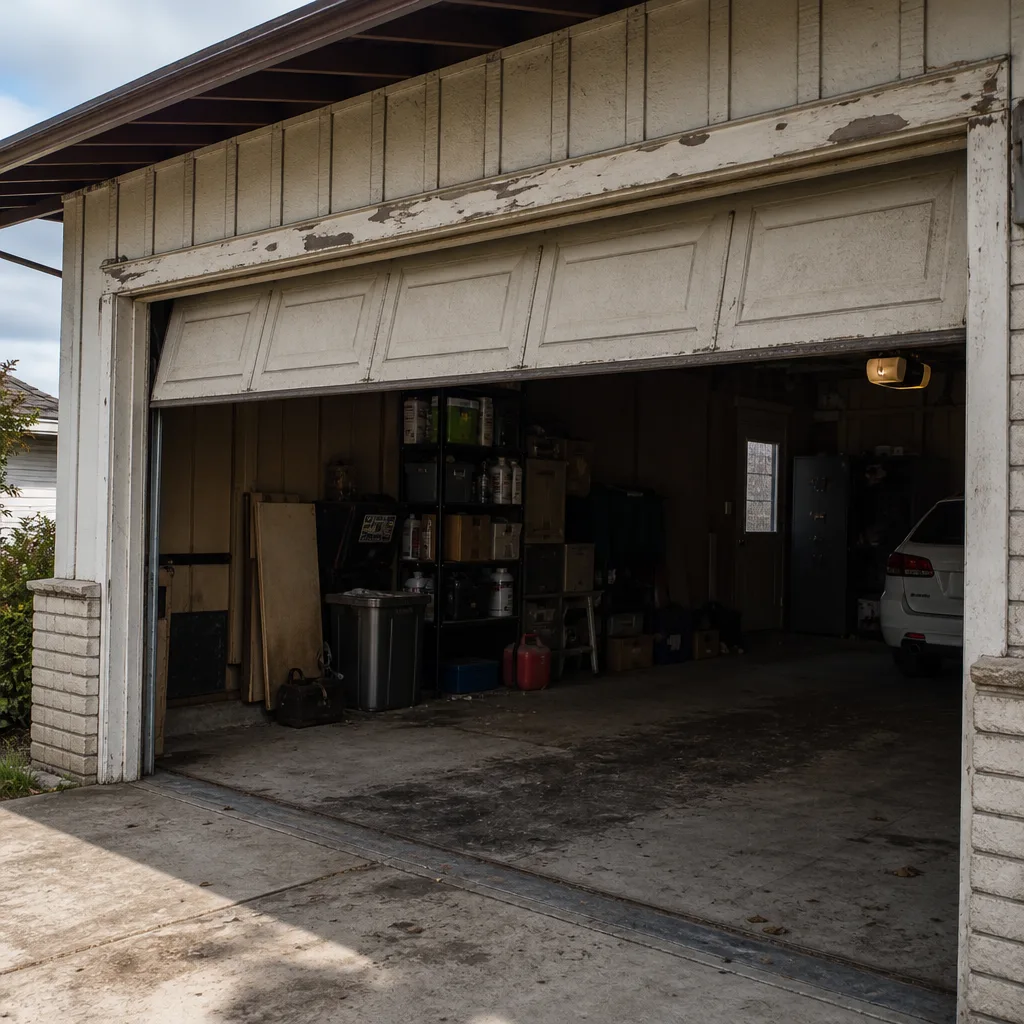 Before
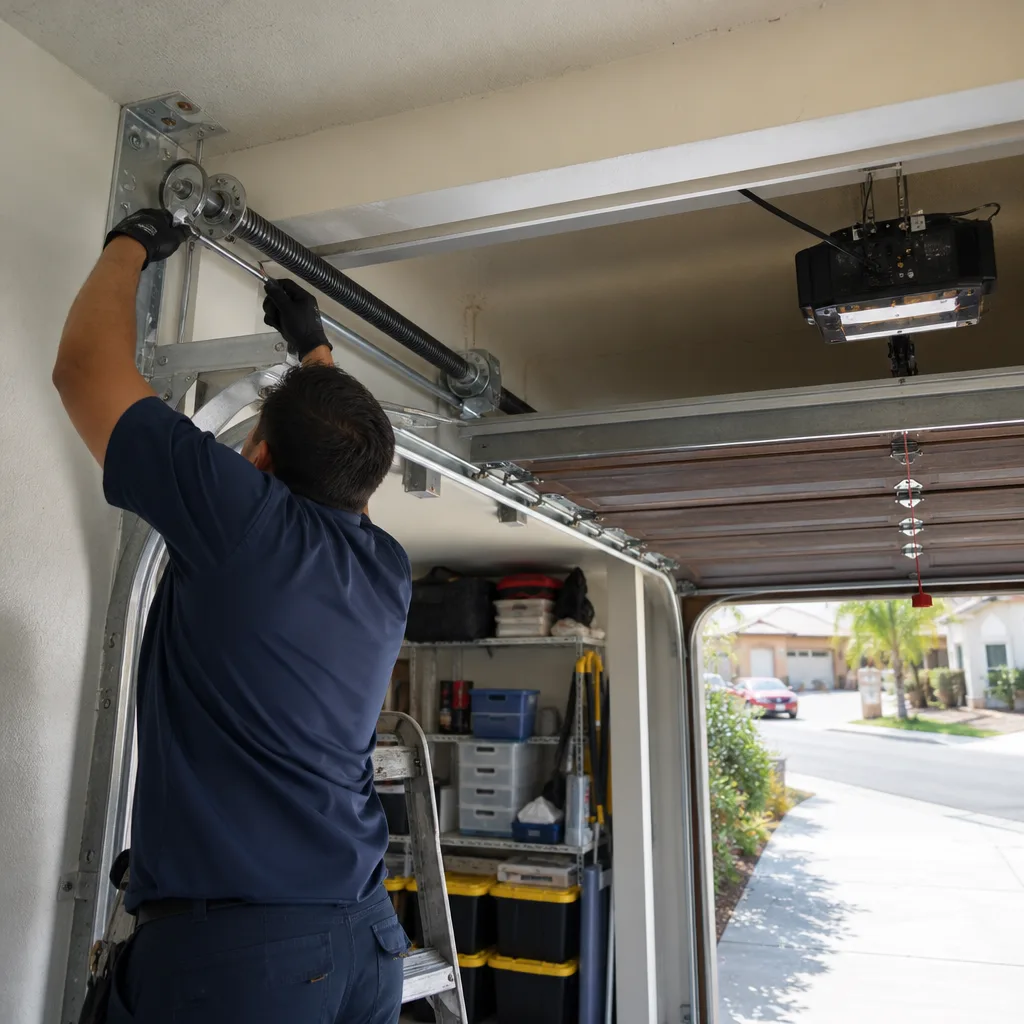 After
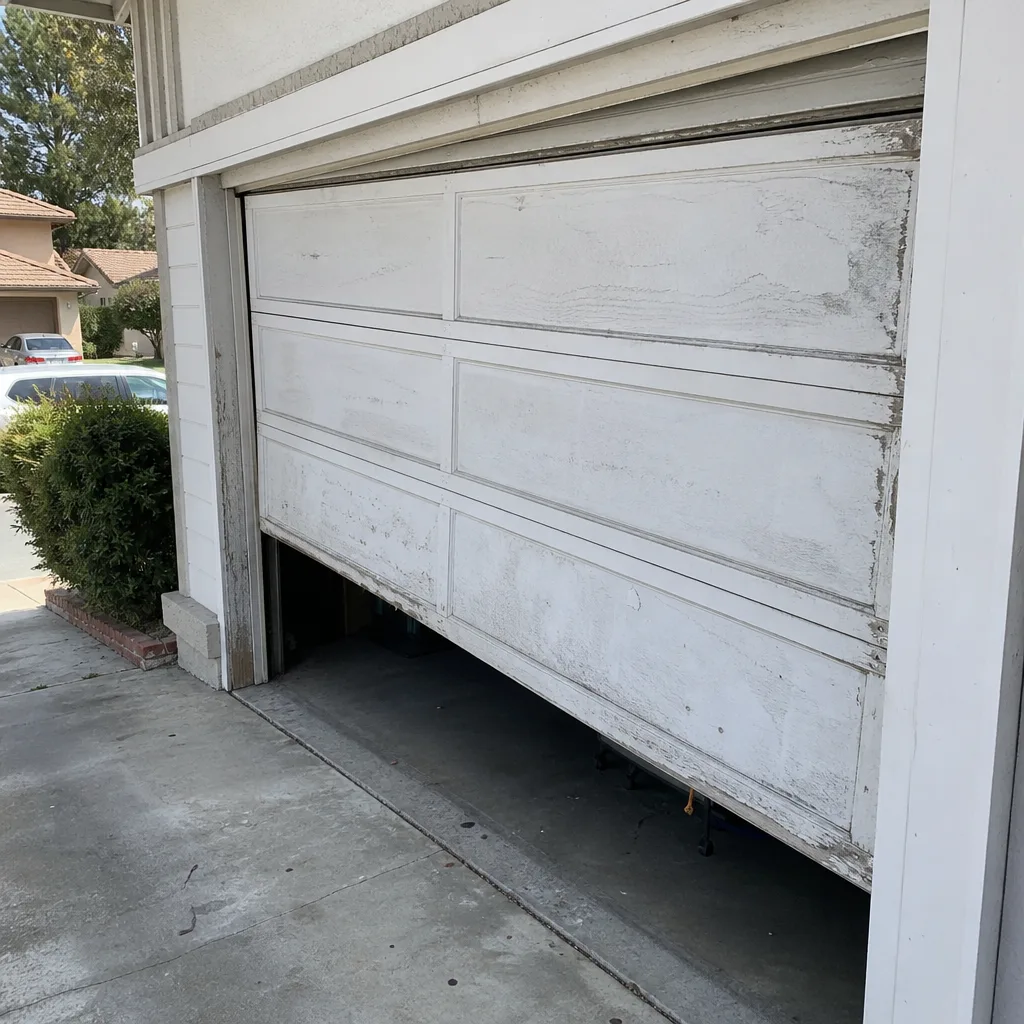 Before
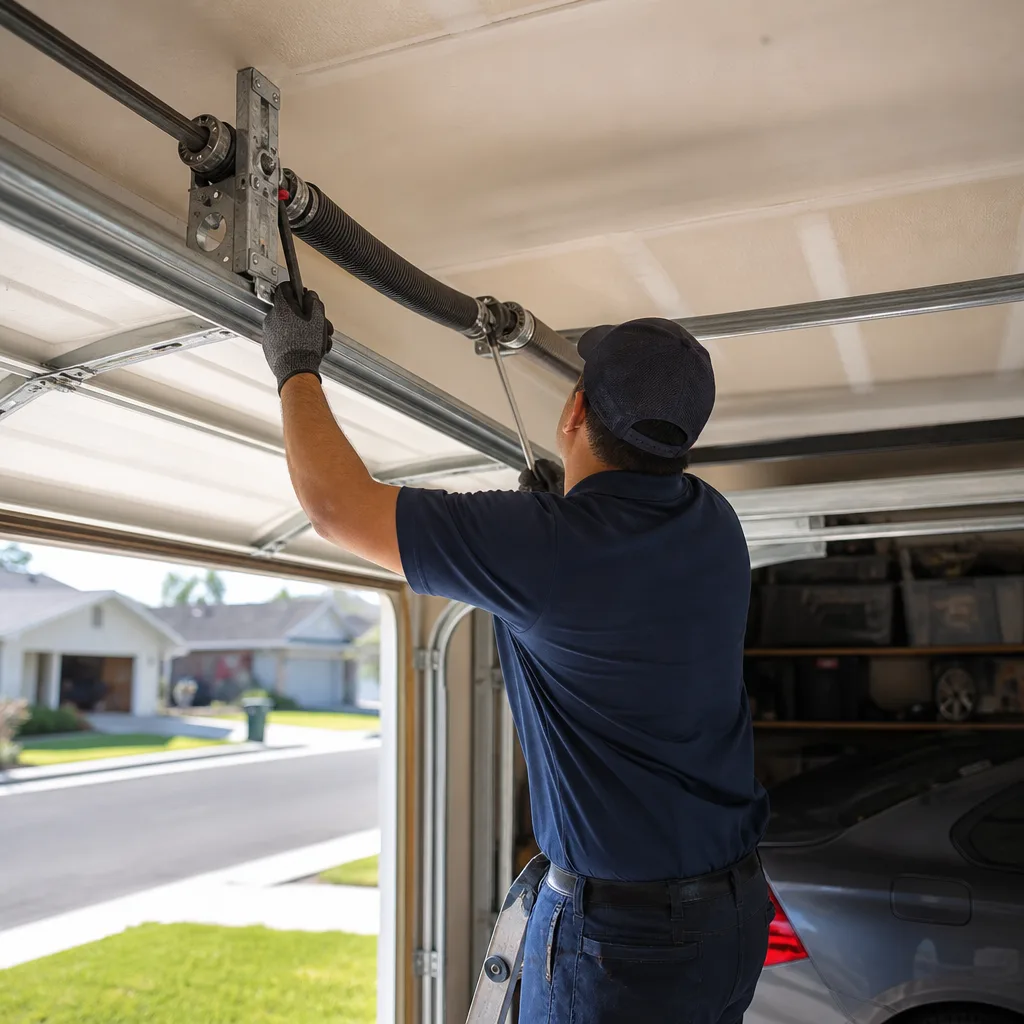 After
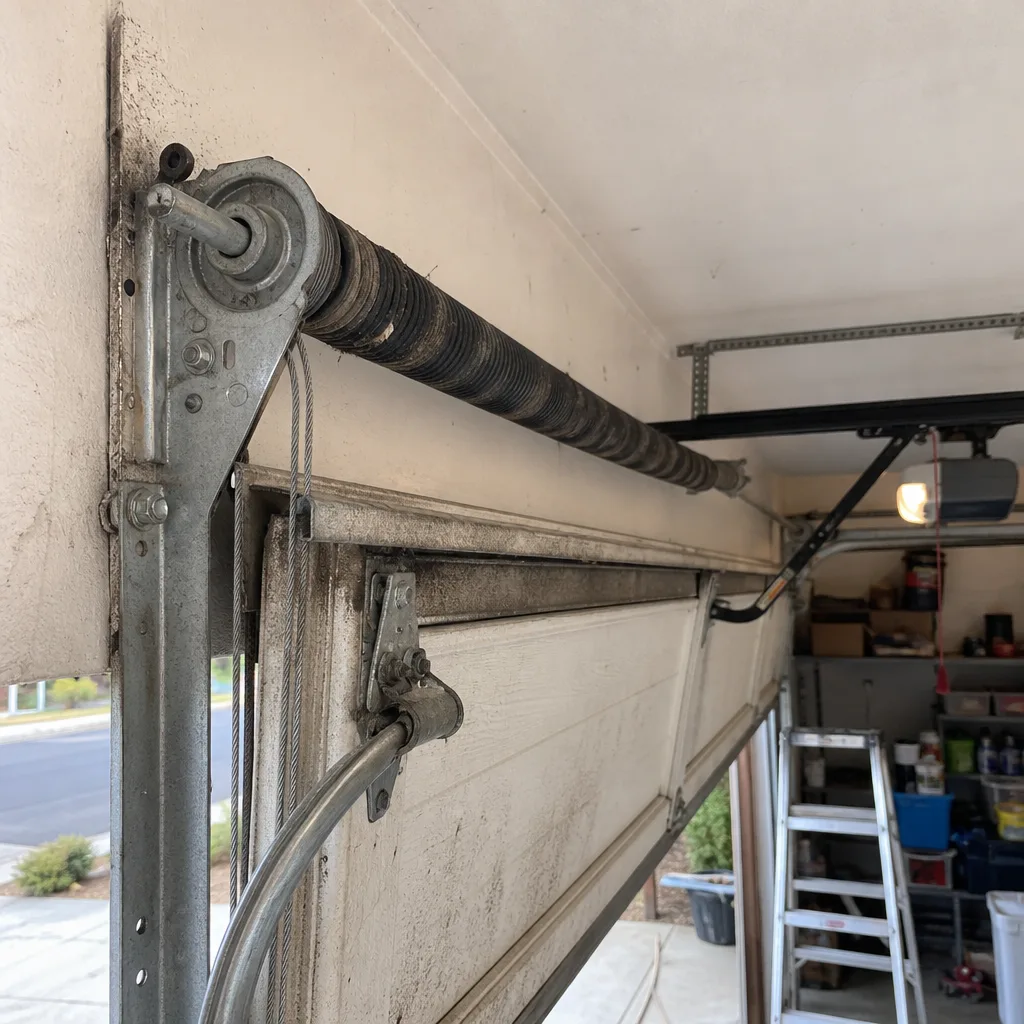 Before
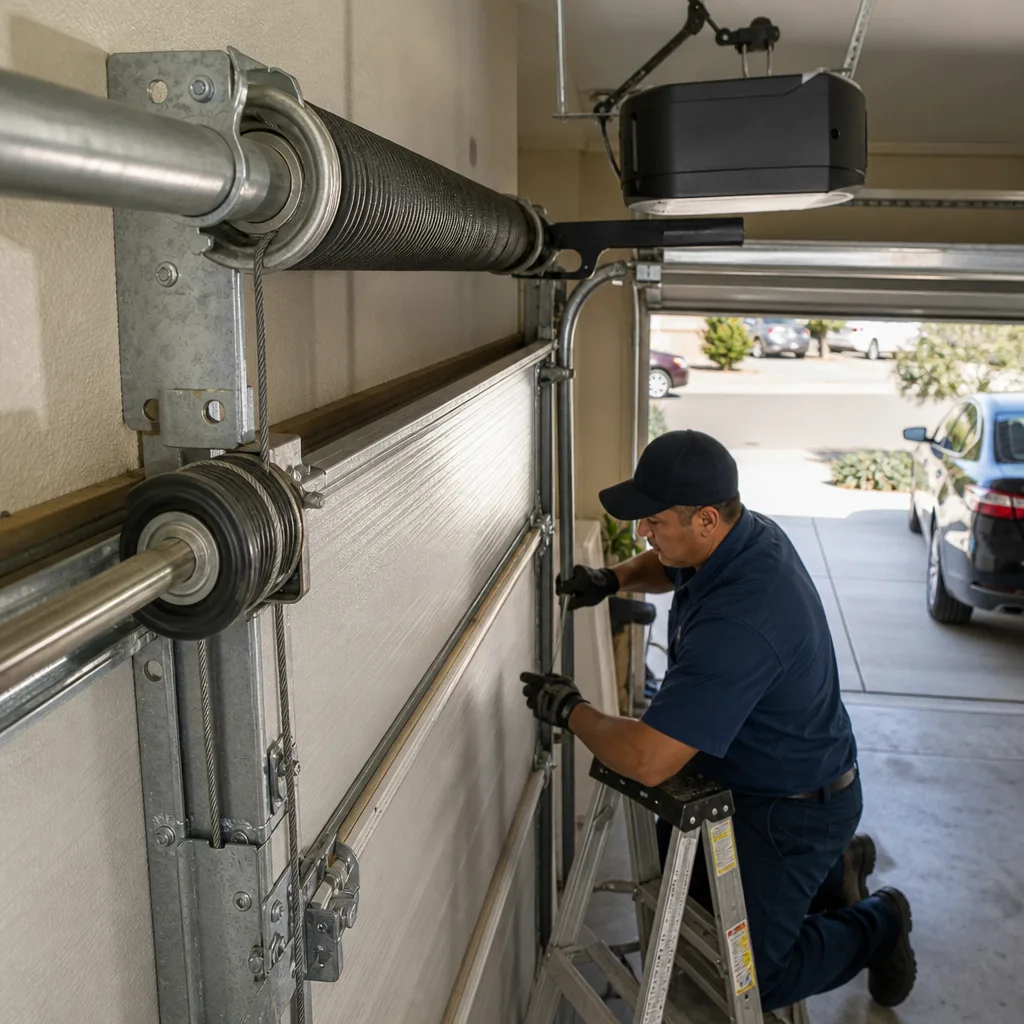 After