
Last updated October 31, 2026
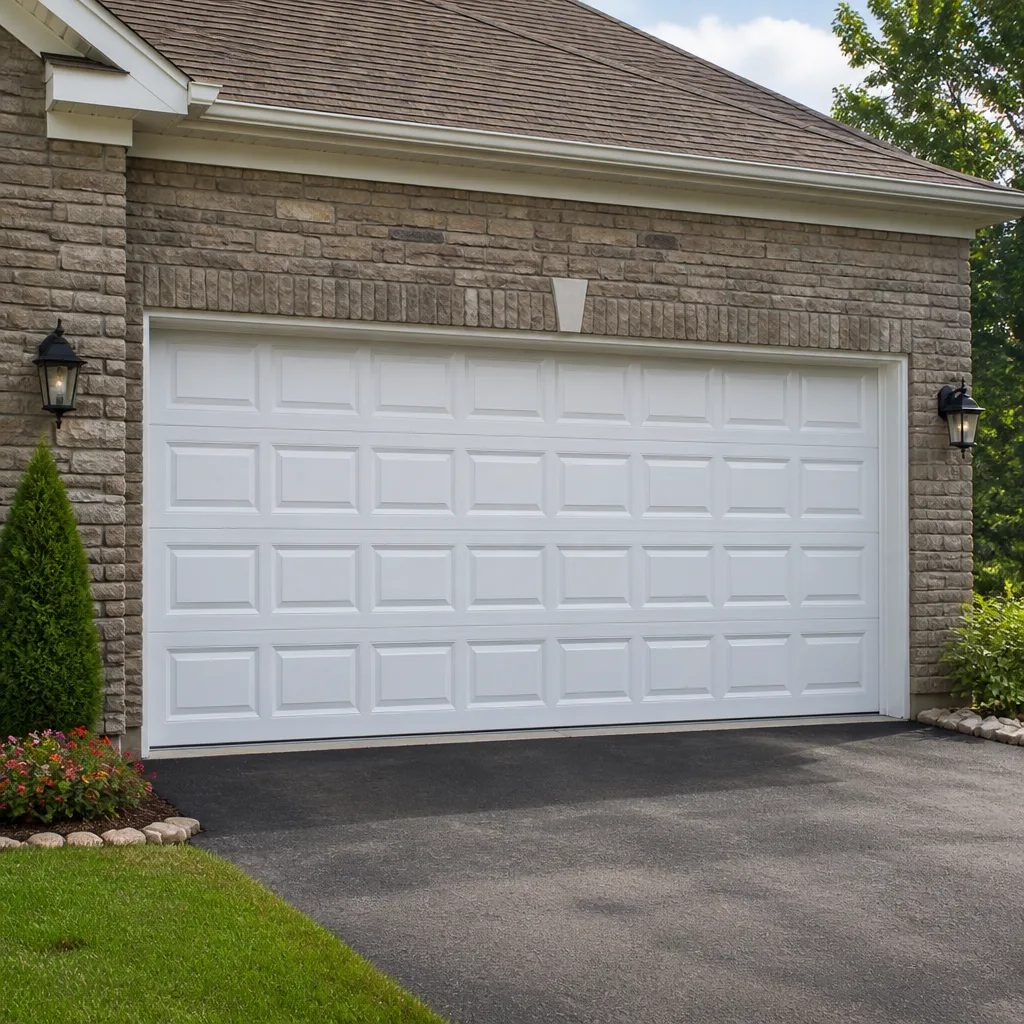 Raised-panel steel
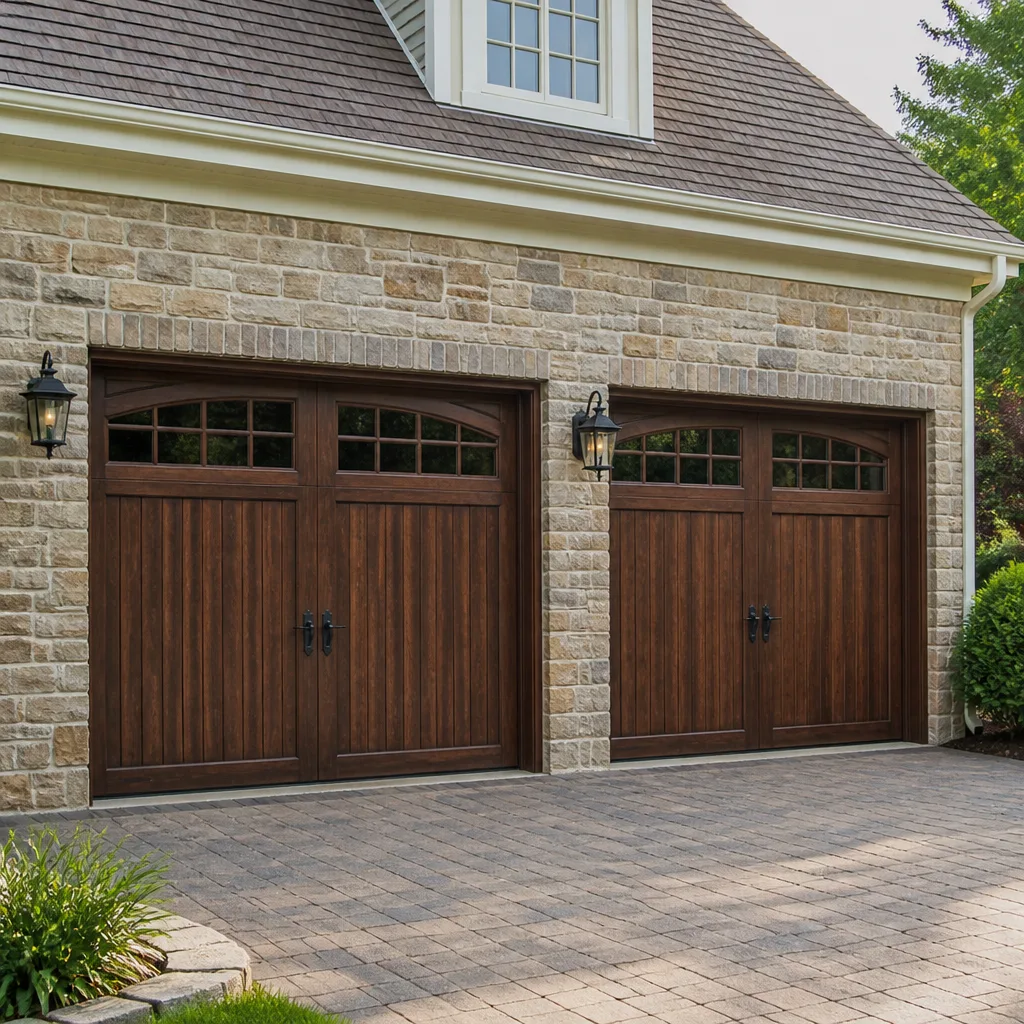 Carriage house
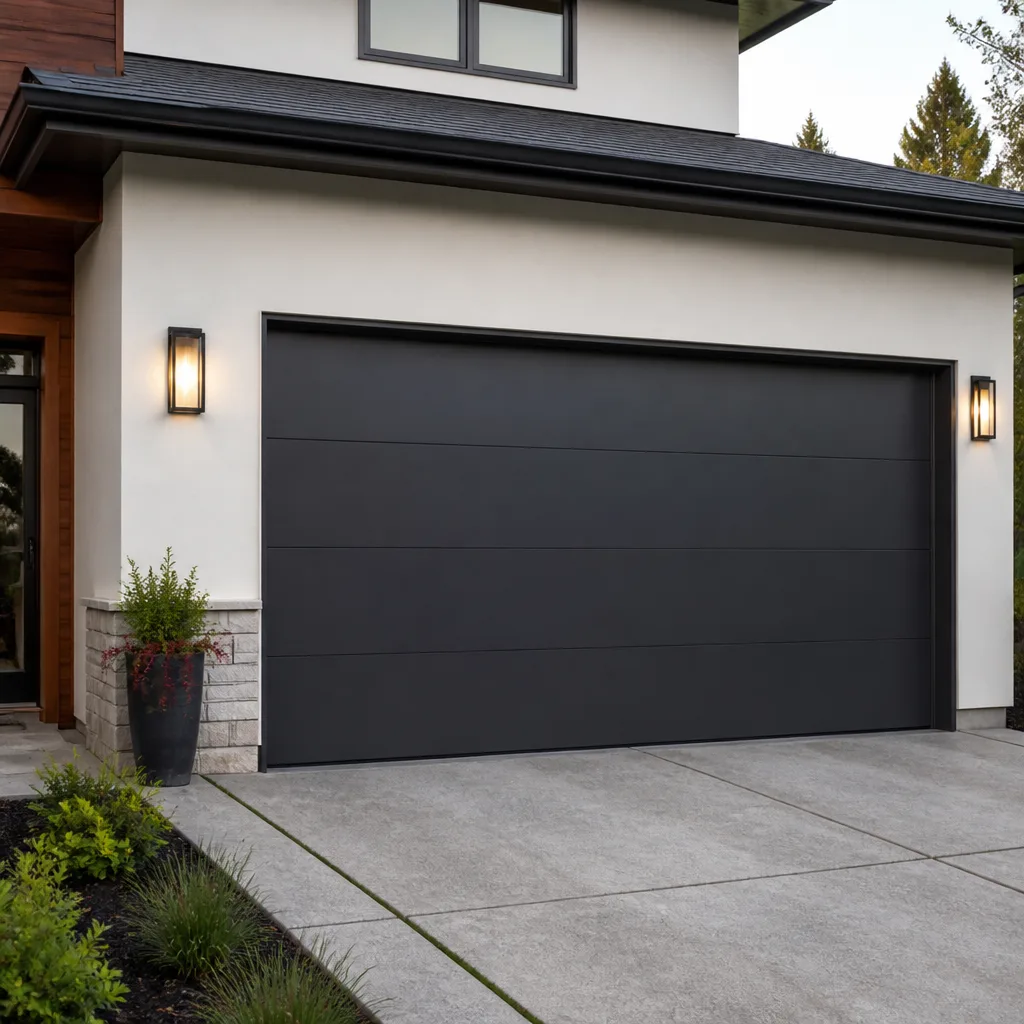 Modern flush
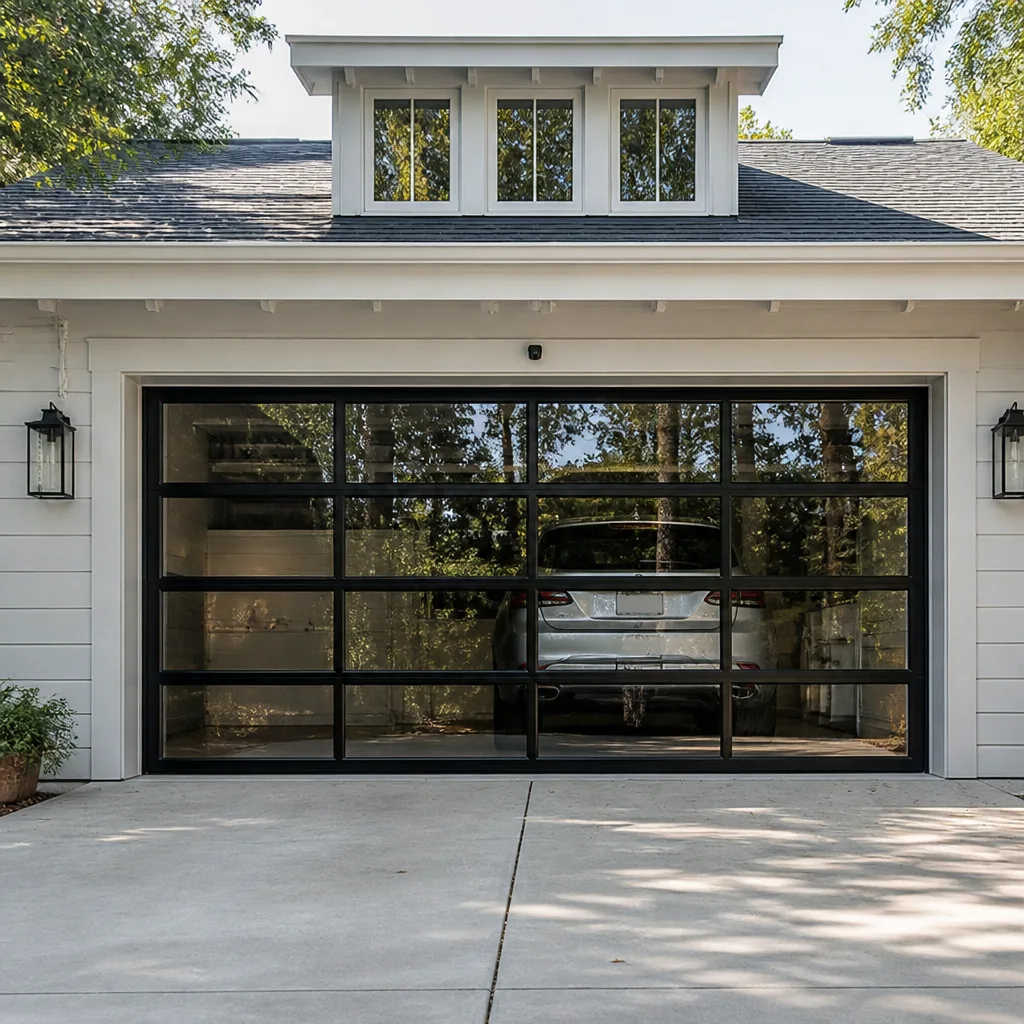 Full-view glass
 LiftMaster openers
 Chamberlain openers
Full 25-point door and opener safety check with every visit - springs, cables, rollers, tracks, and your LiftMaster or Chamberlain opener included
You get a price before we start. It does not change when the truck arrives.
Get your free estimateGarage Door Permits, Codes & Inspections in CA: What You Need to Know
Most California homeowners assume any garage door work requires a building permit. That assumption costs them time, money, and sometimes a sale. Here’s the reality we work with every day in San Marcos: replacing your garage door panels needs no permit. Replacing the entire door assembly on a wall shared with your living space can trigger a permit and a fire-rating requirement most contractors never mention. This guide covers exactly where the line sits under California Building Code and California Residential Code, how San Marcos and unincorporated San Diego County differ, what happens at resale when unpermitted work turns up, and how to document a job properly even when no permit is required. For Garage Door Warning Signs: A San Marcos Homeowner’s Reference Guide and more guides & resources, see our blog.
Styles & brands we work with
Quick Answer
Most garage door repairs and panel replacements in California do not require a building permit, including spring replacement, opener installation, and panel swaps on existing tracks. A permit is typically required only when the rough opening is altered, structural framing changes, or the door assembly sits on a wall between an attached garage and living space, triggering fire-rated assembly rules under California Residential Code Section R302. In San Marcos, the city enforces these rules directly through its Building Division; in unincorporated San Diego County, the County’s Building Division applies the same state code but with different review paths.
Table of Contents
- What Actually Triggers a Garage Door Permit in California
- Fire-Rated Door Assemblies: The Rule Most Contractors Skip
- San Marcos vs. Unincorporated San Diego County: Same Code, Different Path
- What Happens at Resale When Unpermitted Work Is Discovered
- Documenting a No-Permit Job: The Paper Trail That Protects You
- Opener Installation and the Electrical Permit Question
- Common Mistakes to Avoid
- When to Call a Professional
- Frequently Asked Questions
- The Bottom Line
What Actually Triggers a Garage Door Permit in California
The California Building Code (CBC) and California Residential Code (CRC) are clear on one point: routine garage door work is not a permit trigger. Replacing springs, cables, rollers, hinges, or panels on an existing door assembly falls under ordinary repair. The California Existing Building Code expressly exempts repairs that do not alter the structure, the rough opening, or the safety features of the installation. Swapping a Chamberlain opener for a Genie model, for example, requires no permit. Neither does installing a new Raynor door into the exact same opening with the same track profile.
The permit triggers are narrower than most people think, but they are not zero. Here is the working list we use on service calls in San Marcos:
- Rough opening alteration. If you widen, heighten, or otherwise change the framed opening, that is structural work. A permit is required, full stop.
- Header or jamb modification. Cutting into the framing above or beside the door triggers a structural review. This is why oversized door conversions almost always go through the Building Division.
- Converting a wall to an opening. Cutting a new garage door opening into an existing wall is a structural change and a permit requirement.
- Fire-rated assembly changes. If the door sits on the wall between an attached garage and the home’s living area, and you are replacing the entire assembly, the replacement must meet the fire rating for that wall. The work itself may still fall under ordinary repair, but the product you install becomes a compliance question.
- Electrical work for a new circuit. Installing a garage door opener on an existing outlet is not a permit item. Running a new dedicated circuit to power that opener is electrical work and falls under a different permit category.
What does not trigger a permit is worth stating plainly. Spring replacement, including torsion and extension systems, is ordinary repair. Cable and roller replacement is ordinary repair. Panel replacement on existing tracks is ordinary repair. Opener replacement on an existing outlet is ordinary repair. Replacing the entire door assembly with the same dimensions in the same opening is, in most jurisdictions, treated as a replacement, not a new installation, provided the rough opening and framing remain untouched. We have seen San Marcos homeowners spend hundreds of dollars pulling permits for jobs that the city’s own counter staff would have confirmed as exempt with a five-minute phone call. If you’re unsure whether your issue needs a permit, start with our Garage Door Repair Troubleshooting: Common Problems and How to Fix Them.
Fire-Rated Door Assemblies: The Rule Most Contractors Skip
California Residential Code Section R302.5 specifies the separation requirements between a garage and dwelling units. An attached garage must be separated from living area by a wall assembly rated for fire resistance. The door between garage and living space, including any garage door that shares a wall plane with living area, has a role in that assembly. This is not a theoretical concern in San Marcos, where attached garages on zero-lot-line lots are the norm in developments like San Elijo Hills and Rancho Santa Fe Vista.
The practical question for a homeowner is simple: does the garage door you are replacing sit on the wall between the garage and the house? If yes, the replacement door assembly needs to meet the rating for that wall. Most residential garage doors are not fire-rated, because most garage doors sit on the exterior wall opposite the house. But when the garage is front-loading or side-loading with no living space above it, and the wall the door sits on is shared with a bedroom or family room, that door becomes part of the separation assembly. Installing a standard non-rated door in that position is a code violation that can surface years later.
Door products that meet fire-rated assembly requirements are a specific category. Manufacturers like Clopay and Amarr produce doors tested under ASTM E-119 or UL 10B standards for fire resistance when ordered with the correct core and hardware. The rating comes from the tested assembly, not just the door slab. The frame, the seals, the hardware, and the installation method all matter. That is why we tell San Marcos homeowners: if your garage door shares a wall with living space, get the assembly spec from the door manufacturer before you order anything.
The liability angle is real. If a fire originates in the garage and spreads through a door that should have been part of the rated assembly, an insurance adjuster may deny the claim. If unpermitted and non-rated work is discovered during a loss investigation, the homeowner carries the exposure. Most contractors we encounter in this trade never raise the question, because they are not reading the plans. A garage-door-only specialist who sees these assemblies daily in Garage Door Installation in San Marcos will ask the right questions before the first panel comes off.
San Marcos vs. Unincorporated San Diego County: Same Code, Different Path
California adopts a uniform building code, but cities and counties administer it through their own building divisions. That means the code is the same in San Marcos and in unincorporated San Diego County, but the process, fees, and turnaround differ. If you live within San Marcos city limits, the Building Division reviews, permits, and inspects garage door structural work. If you live in an unincorporated pocket, such as parts of Elfin Forest or Twin Oaks Valley, the County of San Diego Building Division handles the same work through a different counter.
The practical differences we see on the ground:
- Plan review paths. San Marcos tends to route structural changes involving a garage door through a quicker over-the-counter review when the opening is standard. The County often requires a more detailed submittal for the same job, especially in fire hazard severity zones that blanket much of unincorporated North County.
- Fire zone overlays. Unincorporated areas frequently fall within Wildland-Urban Interface (WUI) zones. A garage door replacement in a WUI zone can trigger additional requirements around ember resistance and ignition-resistant materials, even when a permit is not otherwise required. San Marcos city limits have their own wildland overlay areas, but the County’s WUI mapping is more aggressive.
- Inspection scheduling. City inspections in San Marcos are generally scheduled within a few days. County inspections in unincorporated areas can run a week or more depending on the district office and seasonal fire-season workload.
- Fee structures. San Marcos uses a flat fee table for most residential permit types. The County calculates fees based on the valuation of the work, which can make the same job cost more to permit on the county side.
The lesson is not that one jurisdiction is better. The lesson is that you cannot assume a San Marcos answer applies to a County answer. Before any structural or rated-assembly work, call the building counter that actually has jurisdiction over your parcel. If you are not sure which one that is, your contractor should know. We check parcel jurisdiction on every Garage Door Repair in San Marcos job that involves structural questions, because getting it wrong means a failed inspection and a second trip.
What Happens at Resale When Unpermitted Work Is Discovered
The resale discovery scenario is where unpermitted garage door work costs real money. Here is the sequence we have seen play out in North County escrows:
Buyer’s home inspector flags a garage door assembly that appears to be newer than the permitted records for the home. The inspector notes that the door sits on a shared wall with living space. The buyer’s agent checks the title report and the permit history. No permit is on file for the door replacement. The transaction stalls.
California’s statutory disclosure documents require sellers to disclose known unpermitted work when it materially affects the use or value of the property. The California Seller Property Questionnaire and the Transfer Disclosure Statement both have lines for this. A seller who replaced a garage door without a permit, and who now knows a permit was required, has a disclosure obligation. Failing to disclose creates a post-close claim. Disclosing creates a negotiation concession. Either way, the seller loses leverage at the exact moment they can least afford it.
The title and escrow implications are indirect but real. Title insurers do not typically refuse to insure over an unpermitted garage door, but they do review building permit records when an exception is raised. Some title underwriters will add an endorsement requirement that the parties resolve the permit issue before close. Escrow then holds funds while the seller scrambles to pull a permit retroactively, which in California means paying the permit fee, possibly paying a penalty multiplier, and obtaining an inspection on work that is already covered by drywall or stucco. That last part is the expensive one: you cannot inspect what you cannot see, and the seller may be forced to open up the wall assembly to prove the fire-rating detail.
The cheapest fix is the boring one. Know the permit trigger before the work starts. If the job needs a permit, pull it. If the job does not need a permit, document it anyway. The next section explains how.
Documenting a No-Permit Job: The Paper Trail That Protects You
Even when a formal permit is not required, a documented job is a protected job. Most homeowners never think about this because most contractors never offer it. Here is the step-by-step record we recommend for any garage door replacement in San Marcos that falls below the permit threshold:
- Photograph the existing assembly before work begins. Capture the door, the tracks, the springs, the opener, and the wall condition around the opening. These photos establish the baseline condition and the dimensions of the original opening.
- Photograph the new assembly after installation. Same angles, same lighting if possible. The before-and-after pair demonstrates that the rough opening was not altered and the door fits the same footprint.
- Save the manufacturer’s spec sheet for the new door. If the door is a Clopay or Amarr model, the spec sheet documents the construction, the dimensions, and any fire-rated options. This is the document a future buyer’s inspector will want to see.
- Save the invoice with a clear work description. The invoice should state the scope: “Replaced garage door panels on existing tracks, no structural changes, opening dimensions unchanged.” That sentence alone answers most resale questions.
- Note the permit exemption in writing. If the contractor confirmed with the Building Division that no permit is required, get that confirmation in writing or by email. A one-sentence note from the city counter is worth more than any contractor’s verbal assurance.
- Keep the file with your home records. When you sell, this file goes to the buyer’s agent. It converts a potential contingency into a non-issue.
This documentation habit costs nothing and takes about 20 minutes. We build it into every full door replacement we perform in San Marcos, whether the job needs a permit or not. The home resale disclosure process rewards the seller who can produce paper.
Opener Installation and the Electrical Permit Question
Garage door opener installation sits in a category of its own, and the confusion is justified. Replacing an opener on an existing outlet, using the existing wiring path, is not a permit item. The opener is an appliance. You are plugging it in. Nothing in the California Electrical Code requires a permit for installing a plug-in appliance.
The permit question changes when the work involves new electrical infrastructure. Running a new circuit from the panel to the garage for a dedicated opener outlet is electrical work and requires an electrical permit. Adding a new outlet where none exists is electrical work. Modifying the panel is electrical work. The opener itself remains a non-permit item. The wiring is the trigger.
Smart opener integration adds another layer that does not, on its own, require a permit. Installing a LiftMaster with built-in MyQ connectivity, connecting it to the home’s Wi-Fi, and integrating it with other smart home devices is software and configuration work. No permit applies. The hardware installation part, replacing the opener head on the same bracket with the same power source, remains ordinary replacement. We handle opener work in San Marcos as a distinct service line, because the electronics side is where homeowners spend money on wrong parts: Garage Door Opener Repair in San Marcos covers the diagnosis side, and the electrical permit question is one we answer on the first call.
One caution in this area: low-voltage wiring for wall controls and safety sensors is not a permit item either, but it must be installed per the manufacturer’s instructions. The safety sensor system, which prevents the door from closing on a child or pet, is a UL-mandated safety device. Disabling or bypassing the sensors is not a permit issue; it is a liability issue. We have seen openers in San Marcos with the sensors taped to the ceiling and jumped out of the circuit. That is an injury waiting to happen, and it is the kind of condition a sharp home inspector will flag on a buyer’s report.
Common Mistakes to Avoid
- Pulling a permit for ordinary repair. San Marcos homeowners sometimes apply for a permit to replace a Spring, and the Building Division sends them back with a courtesy note that no permit is required. You spent money and time for nothing. Call the counter first.
- Assuming no permit means no code compliance. A no-permit repair still has to be done correctly. Springs must be sized to the door weight. Cables must run true. Safety sensors must be functional. The code exemption is about the permit process, not the quality bar.
- Replacing a fire-rated assembly with a standard door. If the door sits on the garage-to-living-space wall, this substitution violates CRC R302. The violation may sit hidden for years and surface at resale or after a fire. Most contractors never ask the question.
- Altering the opening without telling anyone. Widening the opening even a few inches to fit a larger door is a structural change. When the buyer’s inspector notices the header was cut, the seller has a problem. When the engineer notices, the seller has a bigger problem.
- Not documenting a no-permit replacement. The job is done, the door works, the homeowner is happy. Five years later they sell, and the buyer’s agent asks for permit records on the garage door. No paper. No answer. This is the most avoidable mistake on this list.
- Treating unincorporated County rules as identical to city rules. San Marcos city limits and surrounding unincorporated areas are governed by different building division processes. A contractor who only works the city may misstate the County requirements. Verify jurisdiction.
- Using a general contractor for garage door work without checking their code knowledge. A generalist who does kitchens, baths, and roofs may not know the CRC R302 fire-rating requirements for garage-to-living-space assemblies. A specialist whose only trade is garage doors reads that section every week.
When to Call a Professional
Call a garage-door-specific contractor whenever the job touches a structural or fire-rated question. If the door shares a wall with living space, if the opening dimensions are changing, if you are in a San Marcos wildland hazard zone, or if the opener work involves running new electrical, get a professional who knows the code. A specialist will identify the permit trigger before ordering parts, saving you a failed inspection or a resale problem down the line.
SD Garage Door offers free estimates in San Marcos. We work on the brands homeowners already have, including LiftMaster, Chamberlain, Genie, and Raynor, and we document every no-permit replacement with the paper trail described above. Call (833) 589-6906 for a free estimate. For the bigger picture on what we do, start at SD Garage Door home.
Frequently Asked Questions
No, you do not need a permit to replace a garage door in California as long as the rough opening, framing, and structural components remain unchanged. Replacing the entire door assembly into the same footprint is treated as ordinary replacement, not new construction, in San Marcos and most California jurisdictions. If the door sits on the wall between the garage and living space, the replacement must meet fire-rated assembly requirements under CRC R302, but that is a product compliance question, not a permit trigger. Call (833) 589-6906 if you want a free evaluation of your specific situation.
Replacing a garage door opener on an existing outlet does not require a permit in California. The opener is a plug-in appliance and falls outside the permit framework in San Marcos and unincorporated San Diego County. A permit is required only if the work involves new electrical wiring, a new circuit, a panel modification, or a new outlet that did not previously exist. Call (833) 589-6906 with your setup details and we will tell you whether your job is an over-the-counter question or a quick call to the Building Division.
California Residential Code Section R302.5 requires a separation assembly between an attached garage and dwelling units. A garage door that sits on the shared wall between garage and living space must be part of a tested fire-rated assembly, typically meeting ASTM E-119 or UL 10B criteria as a complete system including frame, seals, and hardware. Standard non-rated garage doors are acceptable when the door sits on an exterior wall not shared with living space. This distinction is one most San Marcos homeowners never hear from their contractor. Call (833) 589-6906 for an evaluation of your door’s location and rating requirements.
The buyer’s inspector will flag the discrepancy, the buyer’s agent will check permit history against the county records, and the seller will be asked to explain the missing permit. If a permit was legally required and not pulled, the seller faces either retroactive permitting, which in California includes fees and inspections, or a price concession, or a canceled escrow. If no permit was required, the seller should produce documentation showing the work was ordinary replacement. That documentation is the difference between a clean close and a contested close. We build this paper trail into every San Marcos replacement job.
The building code is the same throughout California, but San Marcos city and unincorporated San Diego County administer it through separate building divisions with different fee structures, review paths, and inspection schedules. San Marcos tends toward a quicker over-the-counter review for standard residential work. County review, especially in fire hazard zones typical of unincorporated North County, is often more involved. Verify which jurisdiction covers your parcel before starting structural garage door work. Call (833) 589-6906 and we will help you figure out which building counter handles your address.
Most garage door work in California does not require a permit, so the cost is zero. For the narrow class of work that does require a permit, such as rough opening changes or structural modifications in San Marcos, the city uses a flat fee table that typically ranges from $150 to $400 for residential work of this scope, depending on the valuation. The County of San Diego calculates fees as a percentage of the job valuation, which can push the same job higher. A phone call to the correct building counter is the fastest way to get an exact number for your parcel. Call (833) 589-6906 for a free evaluation of whether your job needs a permit at all.
The Bottom Line
California’s garage door permit rules are simpler than most homeowners believe. Ordinary repair and same-footprint replacement need no permit. The exceptions are structural changes and fire-rated assembly requirements on garage-to-living-space walls. The difference between a clean transaction and a resale problem usually comes down to documentation. Know your jurisdiction, whether San Marcos city or County, keep a paper trail on every job, and never let a contractor substitute a non-rated door on a shared wall. When the question gets specific, call a garage-door-only contractor who reads the code for a living, or browse more guides & resources on our blog.
Written by the team at SD Garage Door, serving San Marcos since 2014.
See the difference
 Before
 After
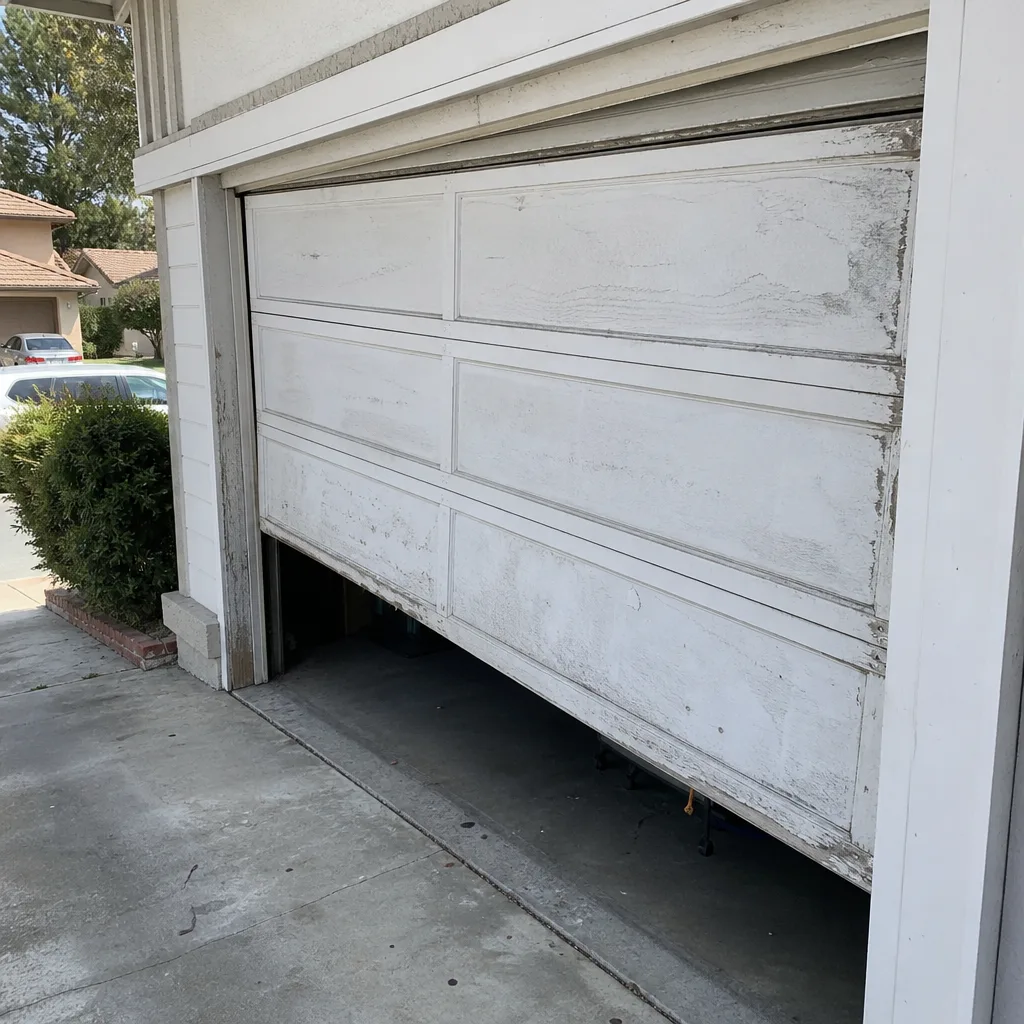 Before
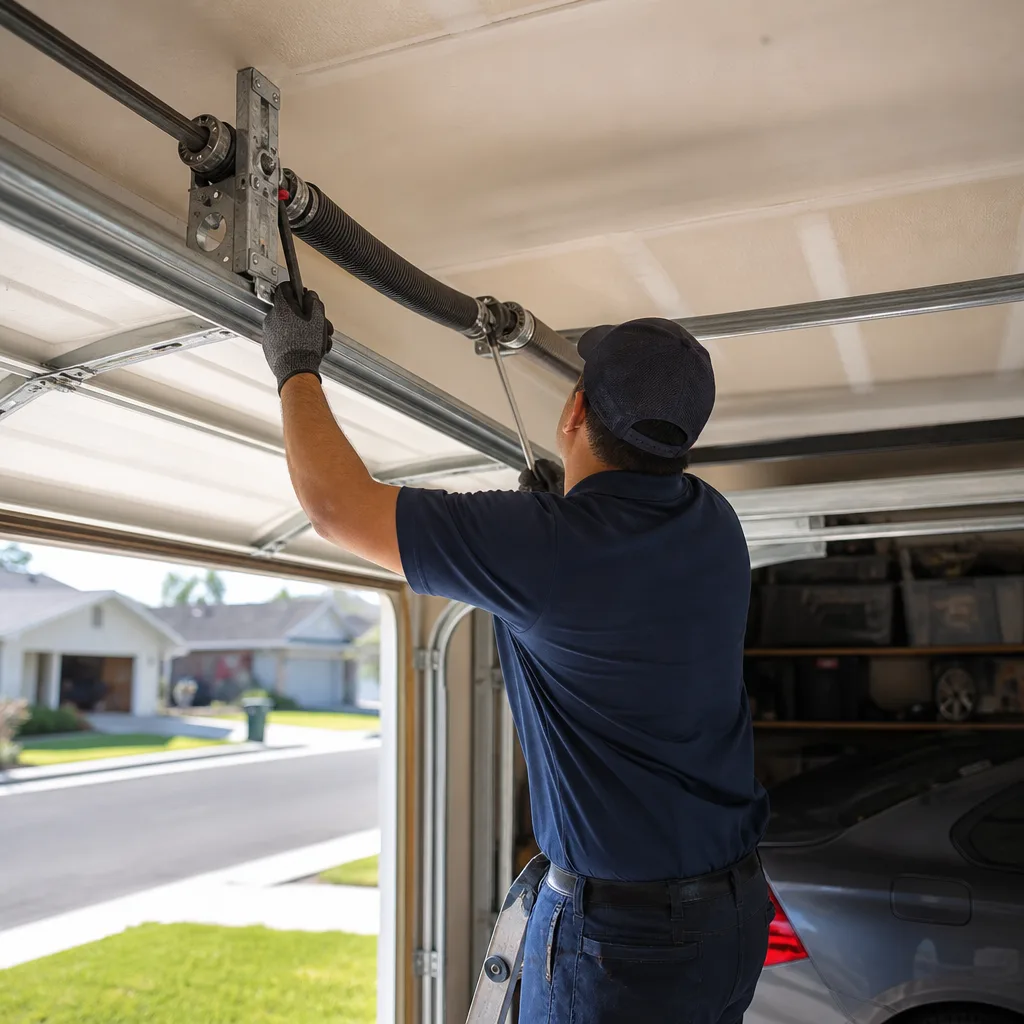 After
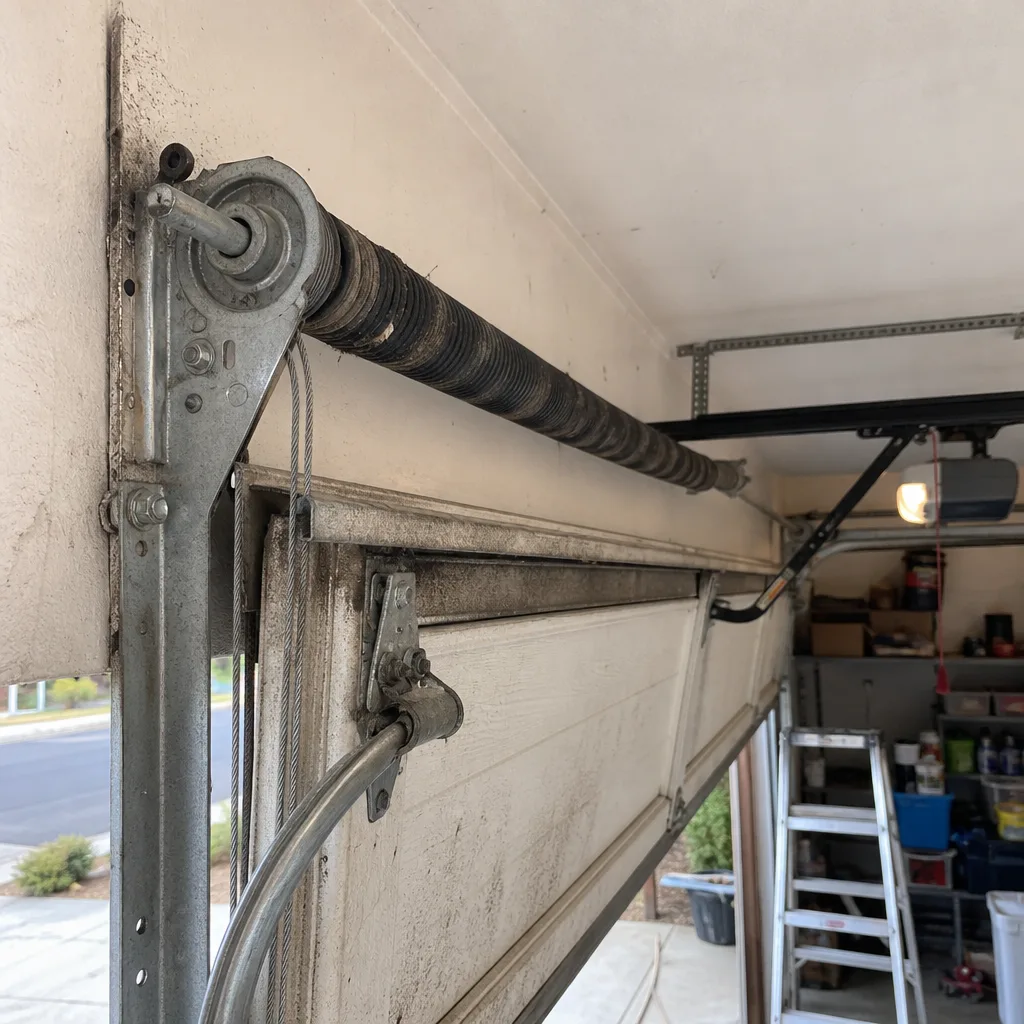 Before
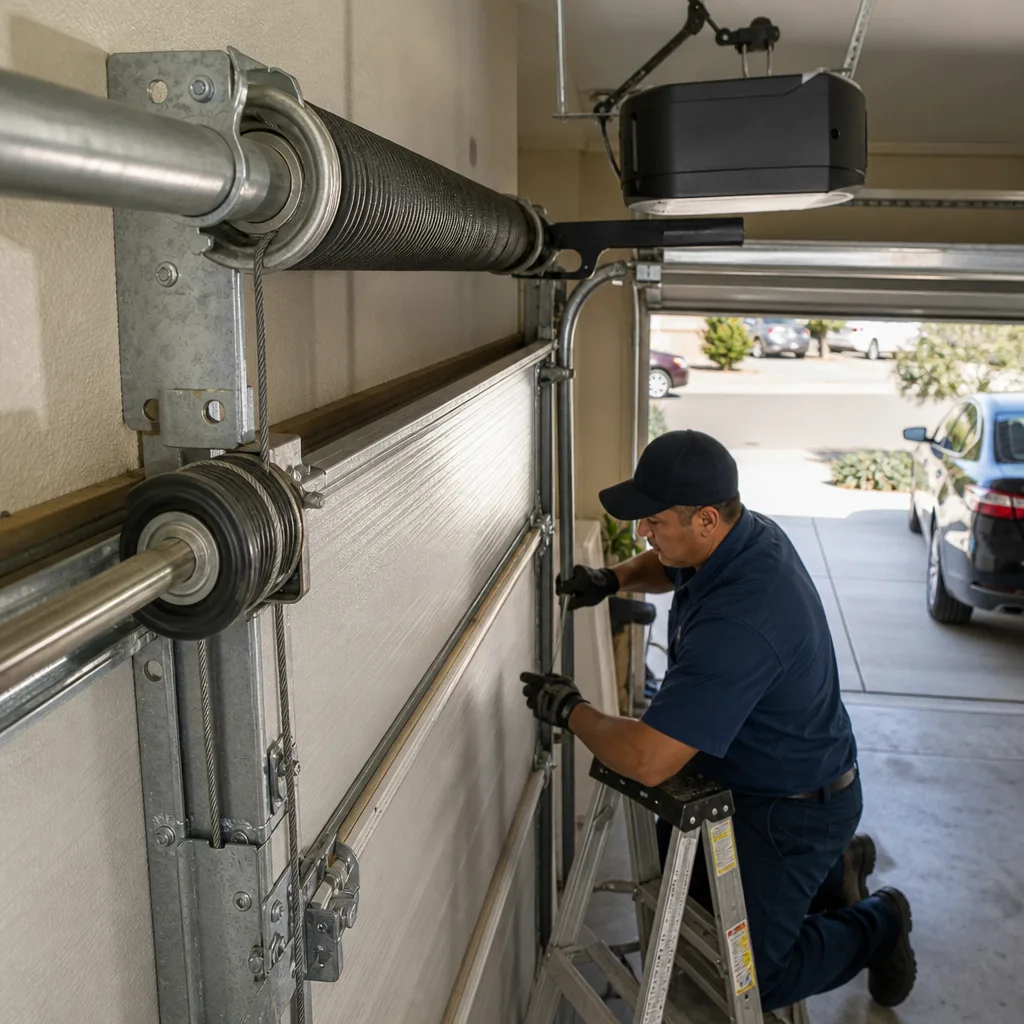 After