
Last updated October 31, 2026
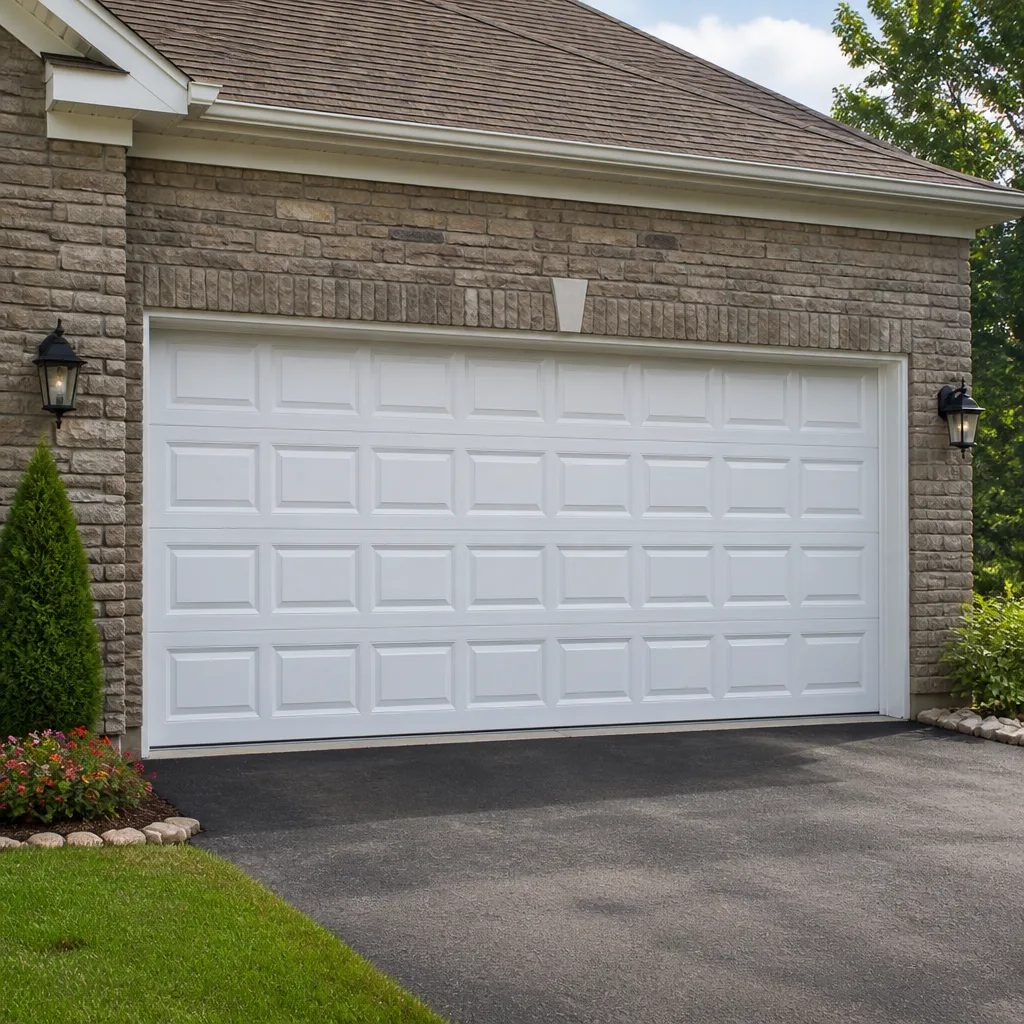 Raised-panel steel
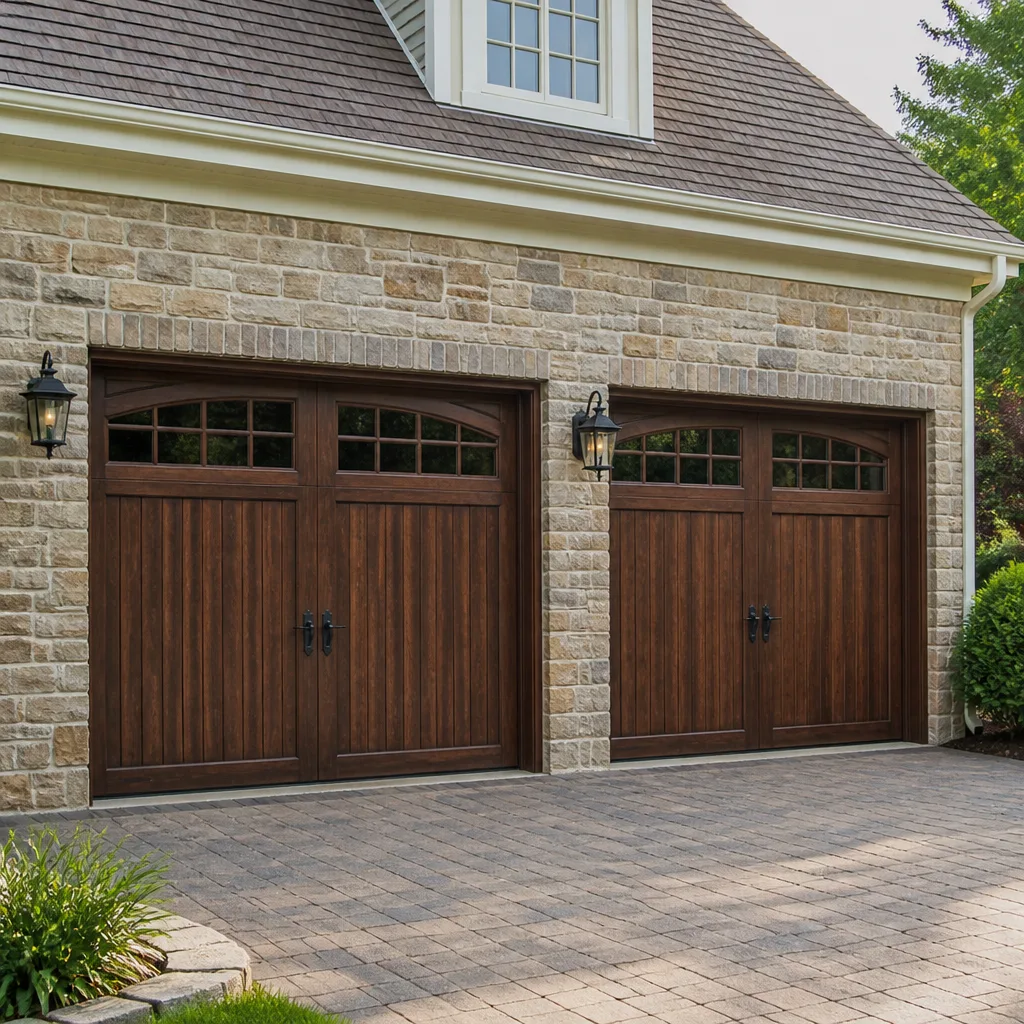 Carriage house
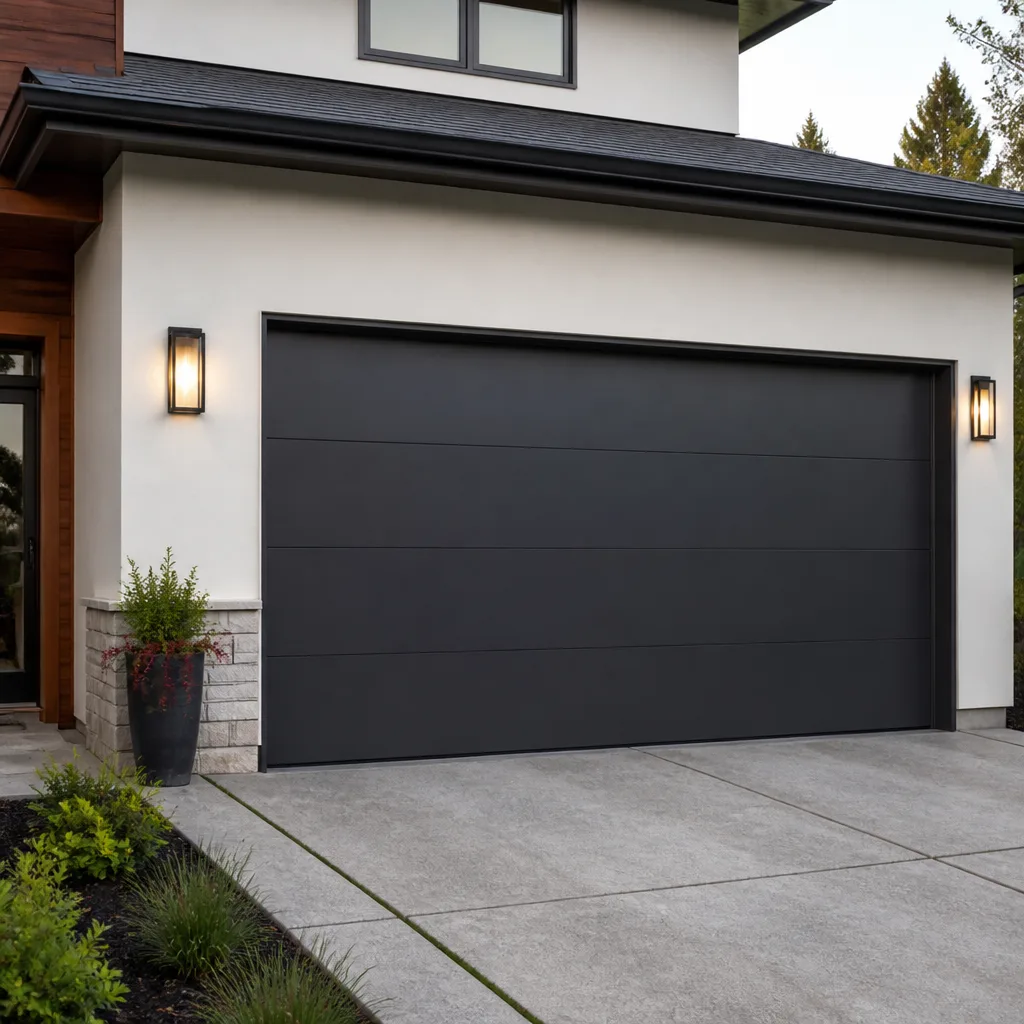 Modern flush
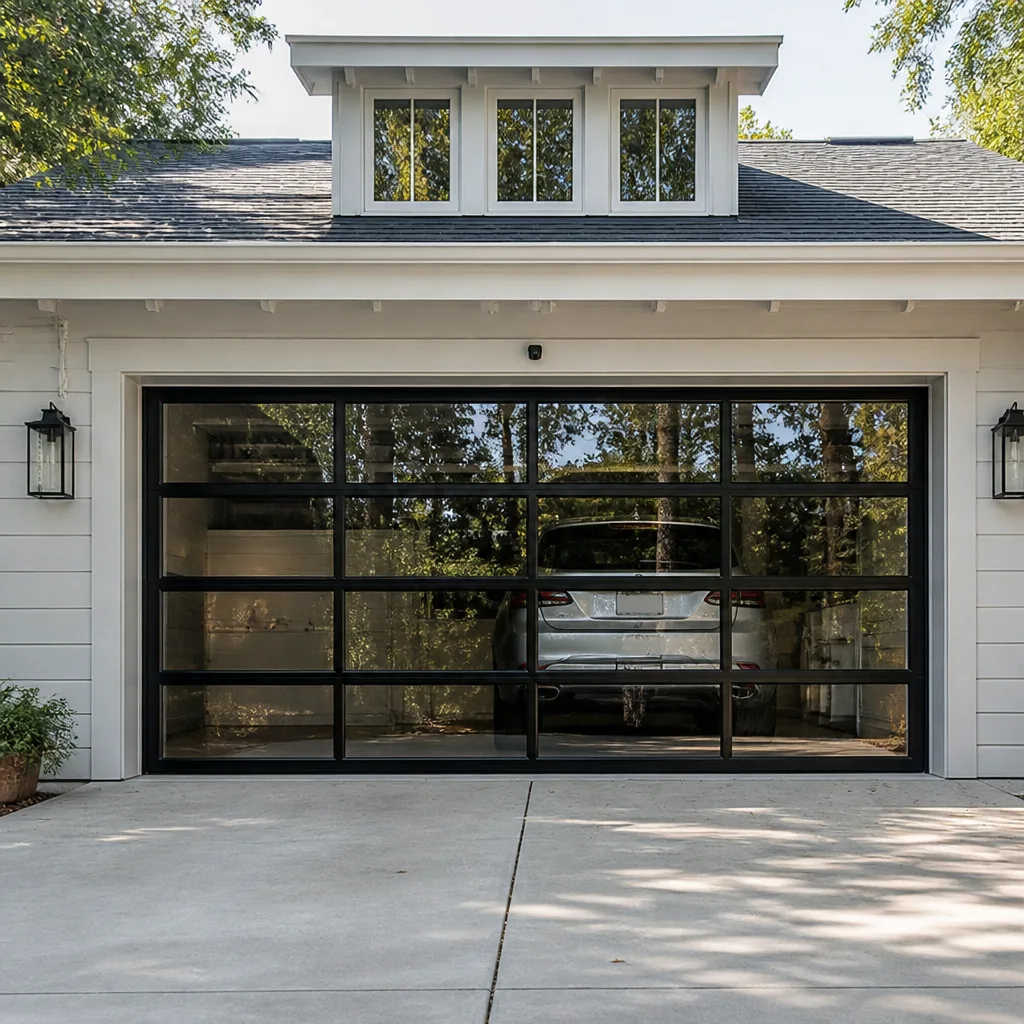 Full-view glass
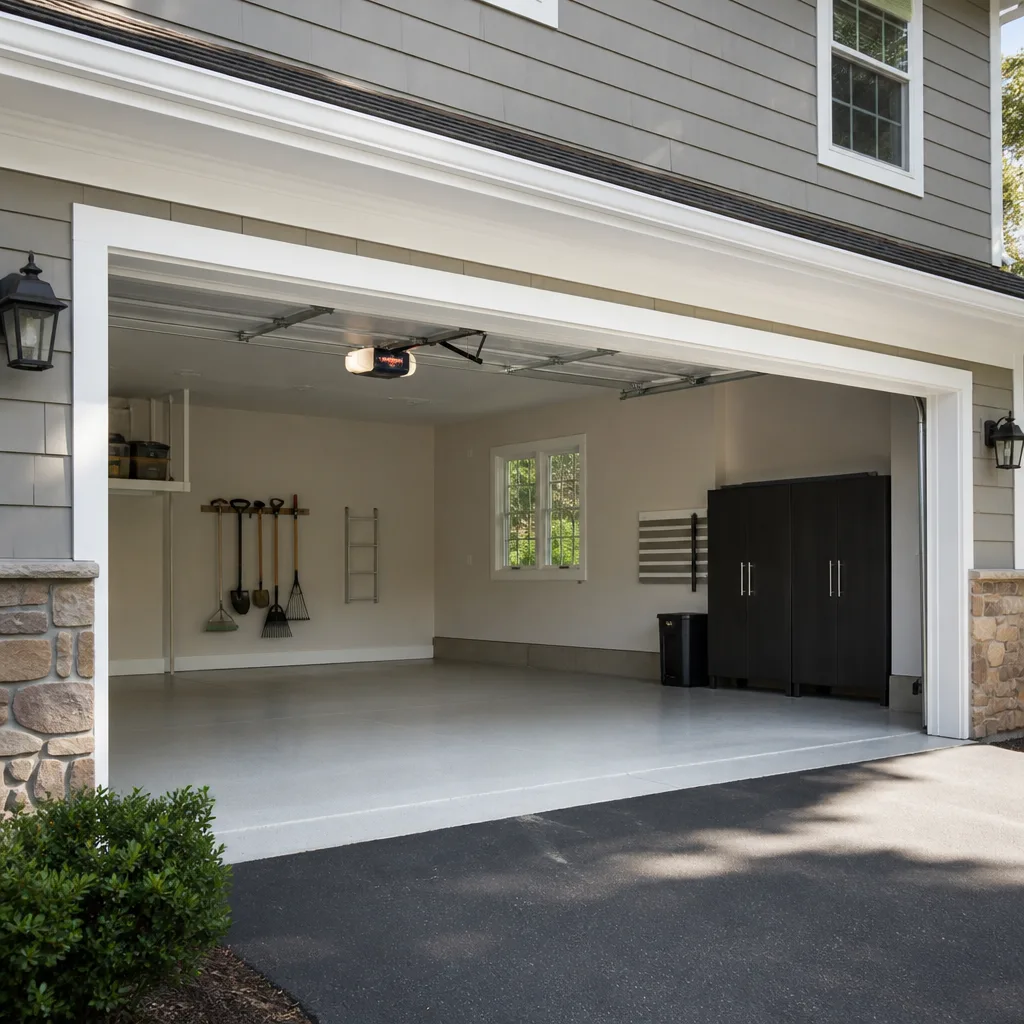 LiftMaster openers
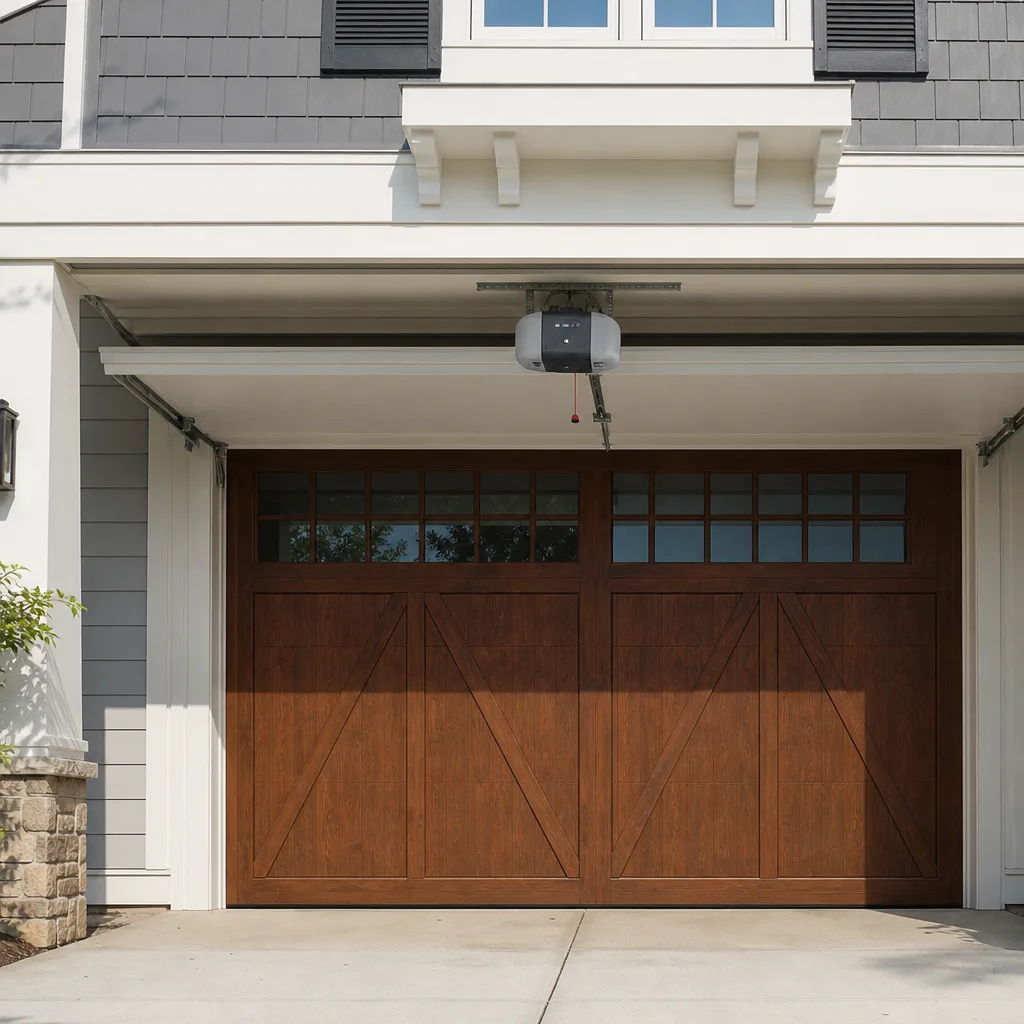 Chamberlain openers
Full 25-point door and opener safety check with every visit - springs, cables, rollers, tracks, and your LiftMaster or Chamberlain opener included
You get a price before we start. It does not change when the truck arrives.
Get your free estimateGarage Door Emergency Preparedness Guide for San Marcos Homes
During the 2007 Witch Creek Fire evacuation, multiple San Marcos households discovered a problem they’d never anticipated: they couldn’t get their garage door open manually because they’d never once tested the emergency release mechanism. The red cord hanging from the opener rail looks simple. Pull it, lift the door, drive out. But when spring tension is loaded and nobody has practiced the pull technique, that red cord becomes a puzzle under evacuation stress. This guide covers what San Marcos homeowners actually need to know before the next emergency, not after it. You’ll learn the correct manual release procedure, how to lock down your garage when evacuating, what to check after an earthquake, and which battery backup openers make sense in 2026.
Styles & brands we work with
Quick Answer
Garage door emergency preparedness for San Marcos homes comes down to three things: knowing how to manually operate your door when power fails, securing it from the inside before evacuating during wildfire threats, and inspecting it correctly after an earthquake before you try to open it. Most emergency failures we see come from untested release cords and doors that were never locked down during evacuations. A battery backup opener and a laminated checklist in the garage solve most of the risk in under an hour of preparation.
Table of Contents
- How to Manually Open Your Garage Door During a Power Outage
- Wildfire Evacuation: How to Lock Your Garage Door From the Inside
- Post-Earthquake Garage Door Inspection Protocol for San Marcos
- Battery Backup Openers: What’s Available in 2026
- The Laminated Quick-Reference Card: What to Put on It
- San Marcos Seasonal Risks That Affect Garage Door Readiness
- Common Mistakes to Avoid
- When to Call a Professional
- Frequently Asked Questions
- The Bottom Line
How to Manually Open Your Garage Door During a Power Outage
Power outages in San Marcos happen for reasons that don’t always make the news: a transformer blows on a hot August afternoon, a car takes out a pole on Rancho Santa Fe Road, or SDG&E schedules a public safety power shutoff during Santa Ana wind conditions. When the opener has no power, the door is locked to the trolley until you pull the emergency release cord. Here’s the procedure in the order it should actually be done.
- Confirm the door is fully closed. If the door is mid-travel, do not pull the release. A partially open door under spring tension can slam down or fly up when released. If it’s stuck halfway during an outage, call a professional rather than forcing it.
- Locate the red emergency release cord. It hangs from the opener rail, usually near the front of the garage. It has a red plastic handle.
- Pull the cord down and toward the garage door. This is the part people get wrong. You don’t pull straight down. You pull down and back, in the direction the door travels. A firm pull disengages the trolley from the carriage.
- Lift the door by the handle or bottom rail. Use both hands. A properly balanced door should feel like it weighs 8 to 12 pounds. If it feels like you’re deadlifting a refrigerator, stop. That means a spring has failed and the door is under full weight, which can be 150 to 400 pounds depending on the model.
- Raise the door completely and secure it. Once fully open, the door should stay up on its own if the springs are healthy. If it starts creeping down, do not park under it and do not leave a car halfway through. That indicates worn springs that need replacement before they fail completely.
- Re-engage the trolley when power returns. Pull the release cord down and toward the opener motor, then press the wall button or remote. You’ll hear a click when the trolley reconnects to the carriage.
One thing we tell every San Marcos homeowner: test this procedure twice a year. Set a calendar reminder for April and October, before fire season and before winter storms. If you’re unfamiliar with the pull technique for your specific opener brand, whether it’s a Genie screw drive or a Chamberlain belt drive, the Garage Door Opener Repair in San Marcos page covers the variations by model type. The 30 seconds it takes to test beats the three minutes of confusion when smoke is visible from your driveway.
If the door is too heavy to lift alone, that’s not a technique problem. That’s a broken spring. Garage doors use torsion springs or extension springs to offset the door’s weight. When one fails, the opener motor is doing all the work, and when the power is out, that work falls on you. We’ve replaced springs on doors throughout San Marcos where homeowners had been dealing with a heavy door for months without realizing the spring had snapped. A door that’s hard to lift manually is a door with a mechanical problem, and in an emergency, that problem becomes a trap.
Wildfire Evacuation: How to Lock Your Garage Door From the Inside
When an evacuation order hits San Marcos, the instinct is to grab essentials and go. Most people leave their garage door exactly as it was: closed, but not locked. Here’s what that means in practice. The emergency release cord that lets you open the door manually during a power outage is also the cord that lets anyone else open it from outside. A standard garage door with no manual lock can be released from the outside with a coat hanger in under 30 seconds. During a neighborhood evacuation, an unlocked garage is an open invitation for theft, and in wildfire conditions, it’s also a fire-spread risk if wind pushes embers or flames against the door with no internal bracing.
Locking your garage door from the inside takes less than a minute. Here’s the procedure.
- Close the door completely using the opener or wall button. Make sure the door has sealed fully against the ground. A door that bounces back up needs its travel limits adjusted before you can rely on it for evacuation security.
- Pull the emergency release cord to disengage the opener trolley. This prevents the opener from being triggered remotely, whether by a stray remote signal or by someone pressing the wall button.
- Engage the manual slide lock. Most garage doors built in the last 20 years have a slide lock on one of the vertical tracks, usually about knee height. Slide the bolt through the track hole and twist the T-handle to lock it. If your door doesn’t have a slide lock, a padlock through one of the track holes works, or a heavy-duty locking plier clamped on the track just above a roller will stop the door from being lifted.
- Disconnect the opener power. Unplug the motor unit from the ceiling outlet. This prevents the opener from running dry against the locked door if someone presses the remote, which can strip the gear or burn the motor.
- Test that the door doesn’t budge. Pull up on the bottom rail with moderate force. If it moves at all, the lock isn’t engaged properly.
This procedure matters for a reason most homeowners don’t consider: it keeps the door structurally braced against wind-driven ember intrusion. A closed but unlocked garage door can flex at the edges. A locked door is pressed into the weather stripping, which creates a tighter seal. During the 2014 Cocos Fire and the 2021 Lilac Fire, San Marcos neighborhoods fought ember storms, not just flame fronts. Embers get through gaps as small as a quarter inch. A properly locked door reduces those gaps.
We also recommend locking the door from the garage into the house. It’s the most forgotten access point in any San Marcos home, and during an evacuation, you don’t want an unsecured interior door leading from a vulnerable garage into your living space. This is especially true for attached garages, which is most of the housing stock in San Elijo Hills, Discovery Hills, and Rancho Santa Fe Farms. The Garage Door Repair in San Marcos page covers lock installation for doors that don’t have a functioning slide lock, which is a straightforward retrofit we handle regularly.
Post-Earthquake Garage Door Inspection Protocol for San Marcos
San Marcos sits in a seismically active zone. The Elsinore Fault runs east of the city, and shaking from the San Jacinto and San Andreas faults reaches us regularly. After any quake that you can feel, which is roughly magnitude 4.0 or higher locally, your garage door should be checked before you operate it. The door may look fine from the driver’s seat. It may not be fine.
We’ve seen doors in San Marcos that opened normally after a quake and then came off their tracks the next day. The problem was a racked frame or a bent track that put gradual pressure on the rollers until something gave. Here’s the inspection order we recommend.
- Stand inside the garage with the door closed and look at the vertical tracks. Both tracks should be plumb, meaning straight vertical, with a consistent gap between the track and the door edge. Compare left side to right side. If they don’t look like mirror images, the framing has shifted.
- Check the horizontal track sections. They should be level and parallel to each other. After shaking, one side can drop a quarter inch. That’s enough to derail a roller.
- Look at the gap between the door and the jamb on both sides. It should be even from top to bottom. A wider gap at the top or bottom indicates a racked opening. A racked frame is a structural issue, not a door adjustment issue, and it makes the door unsafe to operate.
- Inspect the rollers in the track. Rollers should sit fully inside the track channel. If any roller is riding the track edge or visible outside the channel, do not operate the door.
- Check the spring mounting points. Torsion spring brackets should be flush against the header with no visible gap. Loose brackets after a quake can release the spring under tension, which is dangerous.
- Test the door manually. Pull the release cord and lift the door by hand. It should move smoothly with even resistance on both sides. Any catching, grinding, or jerking means something is damaged or misaligned.
- If in doubt, leave the door closed and secured. A jammed door after an earthquake is often a door that’s holding structural load. Forcing it open can unload the frame unexpectedly and cause injury.
If the door passes inspection, run the opener and watch for shaking, grinding, or uneven travel. Opener components like the chain, belt, or screw drive can be knocked loose by vibration, and the force settings may need recalibration. If the door opens but makes new noise, stop using it and get a professional evaluation. The Garage Door Opener Repair in San Marcos page details what we look for when openers act up after seismic events.
One note for older San Marcos homes: houses built before the 1990s may have garage framing that was never shear-walled to current code. If your home was built before those standards went into effect and you’ve never had a seismic retrofit, your garage door tracks are more vulnerable to racking even in moderate shaking. A door that suddenly won’t close after a quake in an older home is a sign the opening itself has moved. That’s a contractor-level repair, not a door-repair call, but we can refer you to the right trade.
Battery Backup Openers: What’s Available in 2026
Battery backup for garage door openers has moved from a luxury add-on to a standard feature on mid-range and premium models. The reason matters for San Marcos specifically: public safety power shutoffs during high-wind fire weather are now a regular occurrence here, and a garage that only opens with grid power is a garage you can’t use when you need to leave fast.
Here’s the current landscape as of 2026.
- LiftMaster and Chamberlain: Most models in the 2026 lineup include integrated battery backup or accept a Battery Backup accessory sold separately. Integrated units install inside the motor housing. Runtime on a full charge is typically enough for 20 to 30 open/close cycles, which covers several days of normal use during an outage.
- Genie: The Genie Aladdin Connect models have battery backup built into the motor unit on several trim levels. The battery provides backup operation for periods of 24 to 72 hours depending on cycle frequency. Genie publishes runtime specs that show roughly 20 cycles on a fully charged battery.
- Other brands: Most manufacturers including Clopay’s opener line and the openers often paired with Amarr and Wayne Dalton doors have followed the same pattern: battery backup is either standard on the top two tiers or available as a separate $80 to $150 module. Budget openers often omit the option entirely, which is worth knowing before you buy.
The distinction to understand is this: a battery backup does not make your opener faster or stronger. It runs the motor at full power for a limited number of cycles. When the battery drains, you’re back to manual operation. That’s why we recommend battery backup as a complement to testing the emergency release, not as a replacement for knowing how it works.
For San Marcos homeowners considering an opener upgrade, the practical question is whether to buy integrated backup or a retrofit battery kit. Integrated backup is cleaner: no extra wiring, no second unit mounted on the wall, and the system self-tests monthly. Retrofit kits cost less upfront but add complexity and don’t work with older direct-drive openers from the early 2000s. If you’re unsure whether your current opener supports a battery kit, the Garage Door Opener Repair in San Marcos page explains what we check before recommending a specific solution. At SD Garage Door, we work on LiftMaster, Chamberlain, Genie, and every other major opener brand, so the recommendation fits the door you have, not the brand we prefer to sell.
For a deeper comparison of opener options by brand, see the Garage Door Installation in San Marcos page. We cover the full range from budget to premium, including which models have battery backup as standard.
The Laminated Quick-Reference Card: What to Put on It
Every garage in San Marcos should have a laminated card mounted near the interior door or on the wall by the opener. Not a PDF on a phone. Not a note in a drawer. A laminated card that’s physically there when the power is out and your hands are shaking from adrenaline. Here’s what it should contain.
- Your door’s brand and model. Example: “Clopay 8×7 steel, Model 4050.” This helps any professional diagnose issues over the phone.
- Your opener’s brand and model. Example: “Genie 7155-TKV.” Include whether it has battery backup and where that battery is located.
- The manual release procedure in four steps. Written in your own shorthand, not copied from a manual. “Pull down and back, lift by handle, re-engage by pulling toward motor.”
- Your spring type and status. “Two torsion springs, replaced March 2025.” If you don’t know when they were last replaced, write “unknown” and get an inspection.
- Your garage slide lock location. If your door doesn’t have one, write “use padlock on left track, 4th hole from bottom.”
- Phone number for repairs. SD Garage Door at (833) 589-6906. Keep it on the card, not just in your phone.
- A neighbor or family contact outside the evacuation zone. Someone who can check on the house if you can’t get back.
The card takes 15 minutes to create and laminate. Office supply stores in San Marcos sell self-laminating sheets, or you can use a heavy-duty zip bag and duct tape. The point is durability and visibility. When the power is out and the fire is close, you will not remember the finer points of the manual release procedure. The card will.
San Marcos Seasonal Risks That Affect Garage Door Readiness
San Marcos has two emergency seasons that produce completely different garage door failure modes. Understanding them helps you prioritize what to check and when.
Fire season: August through November. Santa Ana winds typically peak in October and November. These winds push dry air from the east through the canyons, and when combined with low humidity and high fuel load in the brush-covered hills around San Elijo Hills and Twin Oaks Valley, they create the conditions where public safety power shutoffs happen. During these months, the priority is battery backup testing and manual release practice. You want to know, before an evacuation order, that you can open the door by hand in the dark. If we’re servicing doors in San Marcos during fire season, we always test the release mechanism as part of the visit and show the homeowner the pull technique one more time if needed.
Winter storm season: December through March. San Marcos gets less rain than coastal cities, but when heavy rain arrives, garage doors in low-lying areas and on hillside lots deal with water intrusion issues. Weather stripping at the bottom of the door deteriorates, seals crack, and water plus debris get driven against the door. A door that won’t seal properly during a storm lets water into the garage, which damages stored items and can short the outlet that powers the opener. This is also the season when older spring failures spike, because cold snaps combined with moisture cause metal fatigue in springs that were already near the end of their service life.
The practical takeaway: test your emergency release in April and October, and inspect your door seals and springs in December before the heaviest rain arrives. Both checks are free and take under ten minutes. The SD Garage Door home page has more on our full service area and what we cover during seasonal inspections.
Common Mistakes to Avoid
- Never testing the emergency release until an actual emergency. We hear this constantly in San Marcos: “I didn’t know how the red cord worked.” The release mechanism needs to be pulled correctly, and if the door is heavy from worn springs, lifting it manually is a shock when you’re already stressed. Test it twice a year.
- Leaving the garage unlocked during an evacuation. An unlocked garage door is securable from the outside with a coat hanger and 30 seconds of patience. During the 2007 evacuations, multiple San Marcos residents returned to find garages entered through doors they thought were secure. Lock the slide bolt and unplug the opener.
- Operating the door right after an earthquake without inspecting it. A racked frame or bent track can fail catastrophically after the door has been cycled a few times. Inspect first, operate second.
- Assuming battery backup means unlimited operation. Battery units provide 20 to 30 cycles before they die. If the outage lasts days, you’ll eventually need the manual release anyway. Prepare for both.
- Ignoring a door that’s hard to lift manually. A door that feels heavy is a door with a broken or failing spring. That’s not a technique issue, it’s a safety issue. A broken spring under tension can release without warning if you force the door.
- Re-engaging the trolley incorrectly after a manual release. If you don’t hear the click and the opener runs while the door is disconnected, the chain or belt can bind and strip. Listen for the re-engagement click before pressing the button.
- Keeping critical info only on a phone. Phones die, get left behind, or end up with dead batteries during evacuations. The laminated card in the garage survives all of those.
When to Call a Professional
Some situations call for hands-on expertise rather than a DIY fix. Call a garage door professional when your door won’t move at all and you’ve confirmed the opener is disengaged, when the door is visibly off its tracks, when you see a snapped spring or a loose cable, when the door opens unevenly with a grinding or popping sound, or when you suspect earthquake damage has racked the frame. Forcing a door in any of these states can cause serious injury from spring tension release or door collapse. Garage doors are all we do at SD Garage Door, and we’re factory-familiar with Genie, Clopay, Amarr, Wayne Dalton, LiftMaster, Chamberlain, and Craftsman systems. If your door in San Marcos is stuck, jammed, or just acting wrong, call (833) 589-6906 for a free estimate. Same-day service is available for emergency repairs, and the price is quoted and agreed before any work starts.
Frequently Asked Questions
Pull the red emergency release cord down and back toward the garage door, then lift the door by its handle or bottom rail. The cord disengages the opener trolley so the door moves freely. If the door feels too heavy to lift, that indicates a broken spring, and you should not force it. Call (833) 589-6906 for emergency service.
Yes. Close the door fully, pull the emergency release cord, slide the manual lock bolt through the track hole, unplug the opener, and test that the door doesn’t budge. This prevents both break-ins and ember intrusion. If your door lacks a slide lock, SD Garage Door can install one during a standard repair visit in San Marcos.
Check that both vertical tracks are plumb, the horizontal tracks are level, the door gaps are even on both sides, all rollers are fully seated in the track channels, and the spring brackets are flush against the header. If anything looks off, leave the door closed and call a professional before operating it.
Yes. Battery backup units provide roughly 20 to 30 open/close cycles on a full charge, which covers several days of typical use. Once the battery drains, you’ll need to use the manual release. Genie offers integrated backup on several 2026 models, and LiftMaster and Chamberlain both offer either built-in backup or retrofit kits depending on the model.
Twice a year, in April and October. These months align with the transitions into fire season and winter storm season, the two periods when power outages are most likely in San Marcos. Testing takes under a minute and identifies problems before an actual emergency.
A garage door that’s difficult to lift manually usually means a spring has broken or worn out. The springs carry the door’s weight, not the opener motor. A properly balanced door should feel like it weighs 8 to 12 pounds. If yours feels like it weighs 150 or more, the springs need attention before the door becomes a safety hazard. Call (833) 589-6906 for a spring inspection.
The Bottom Line
San Marcos emergency preparedness for garage doors comes down to repetition and visibility. Test the manual release twice a year so the motion is automatic when you need it. Lock the door from the inside when you evacuate instead of assuming it’s secure. Inspect before operating after any earthquake you can feel. Add battery backup if your opener doesn’t have it, but don’t treat it as a substitute for knowing the manual procedure. And keep a laminated card in the garage with your door specs, your release steps, and a phone number you can call. None of this is expensive. Most of it costs nothing. All of it works when the power doesn’t.
If you’re unsure about your door’s emergency readiness, SD Garage Door offers free estimates in San Marcos. Call (833) 589-6906 and we’ll inspect your springs, your release mechanism, your locking options, and your opener’s backup capability. Garage doors are all we do.
Written by the team at SD Garage Door, serving San Marcos since 2014.
See the difference
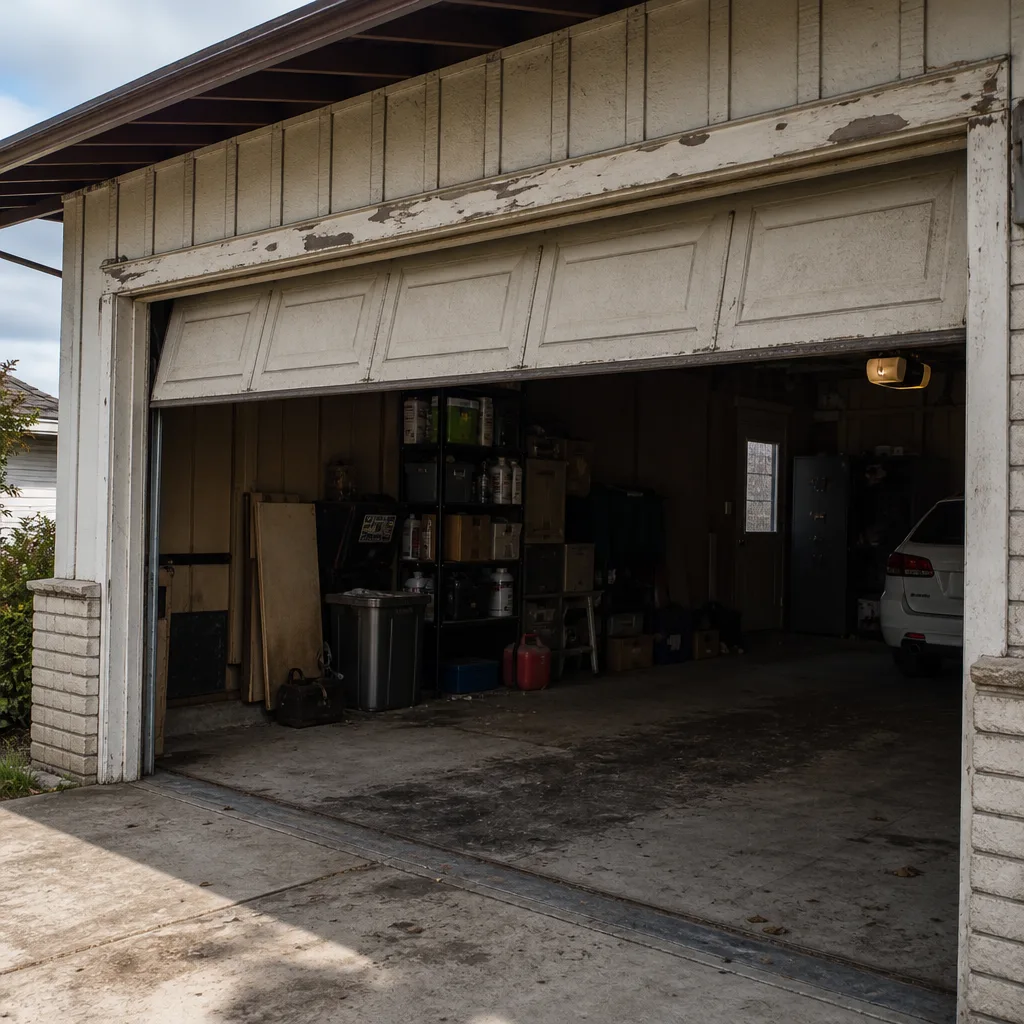 Before
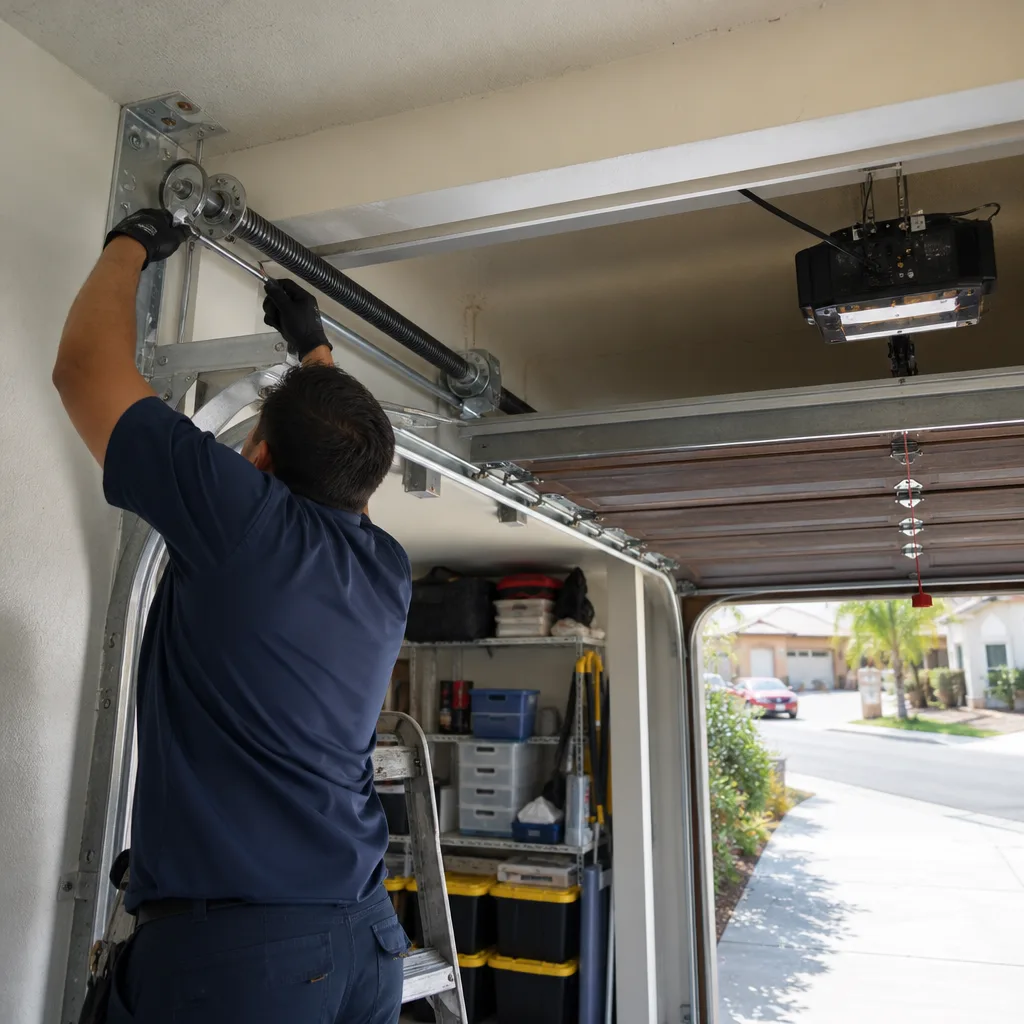 After
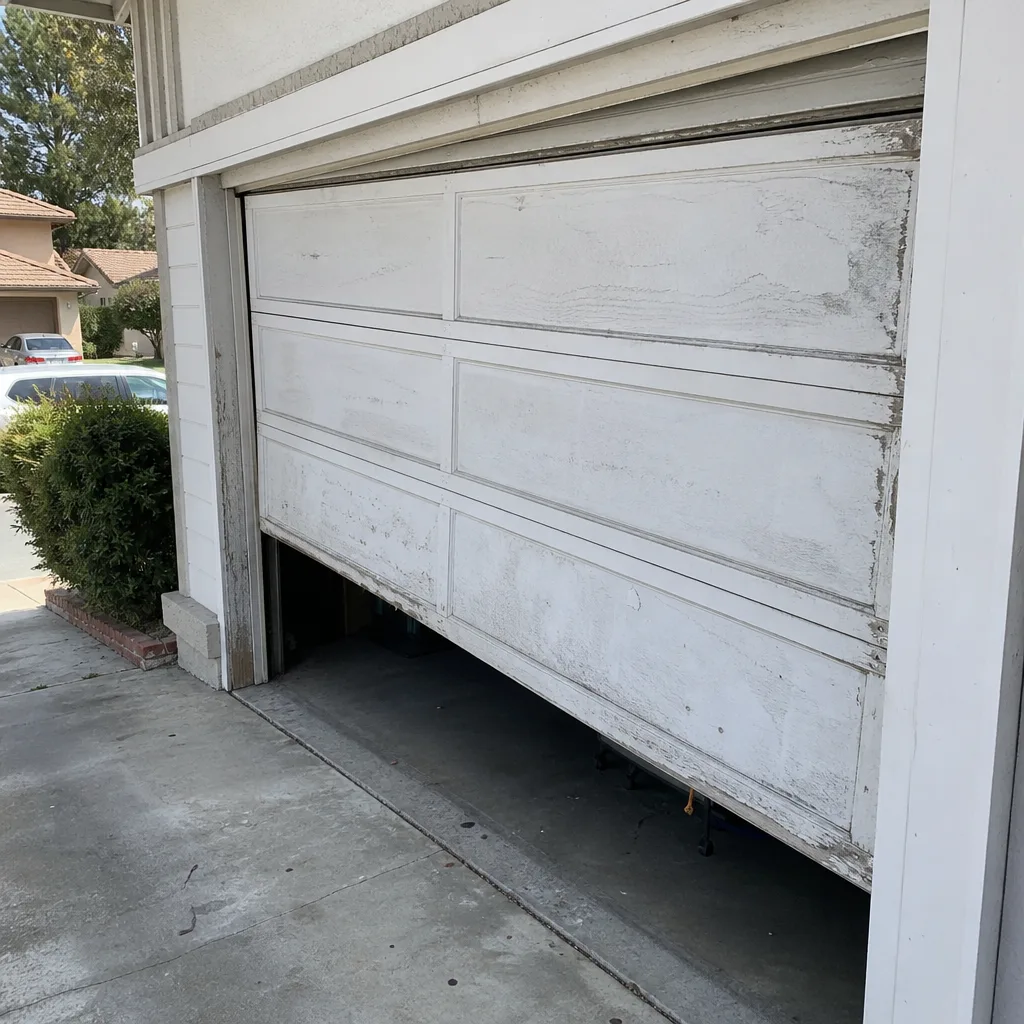 Before
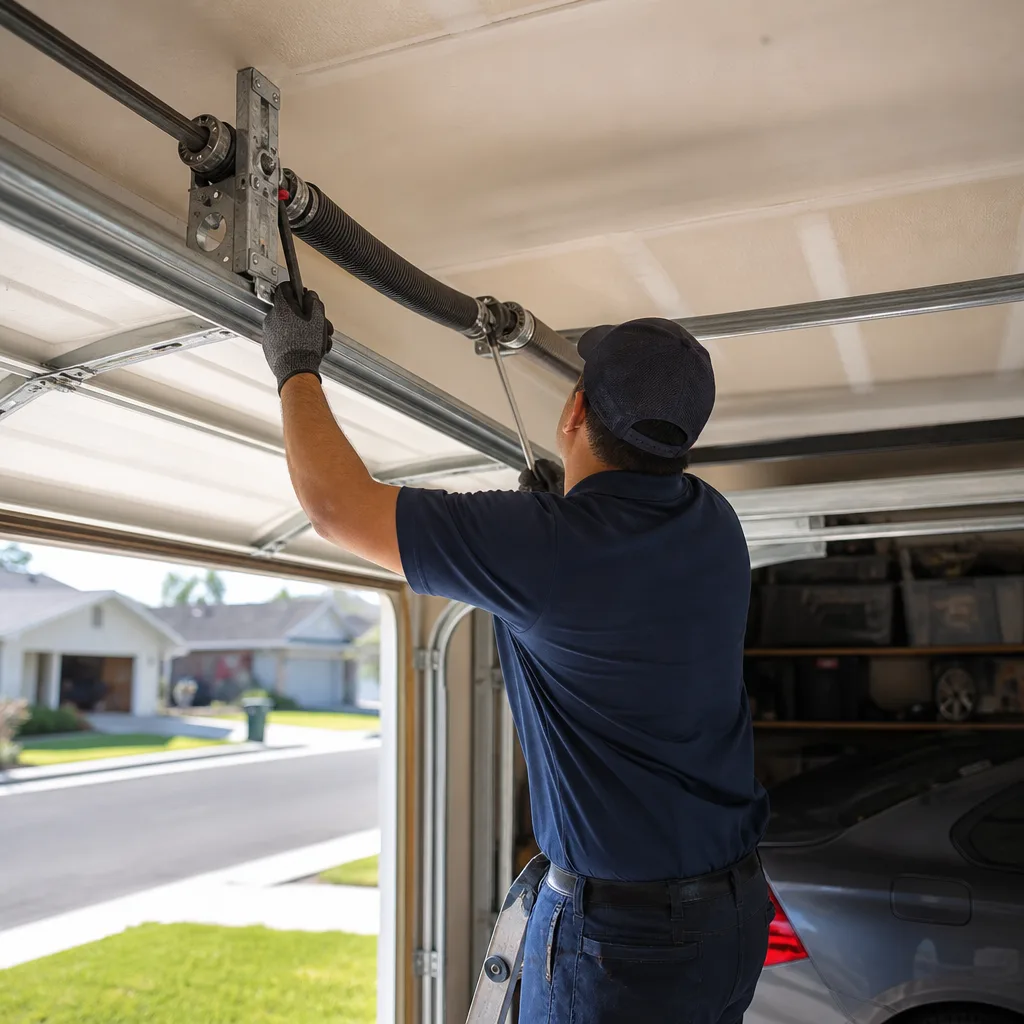 After
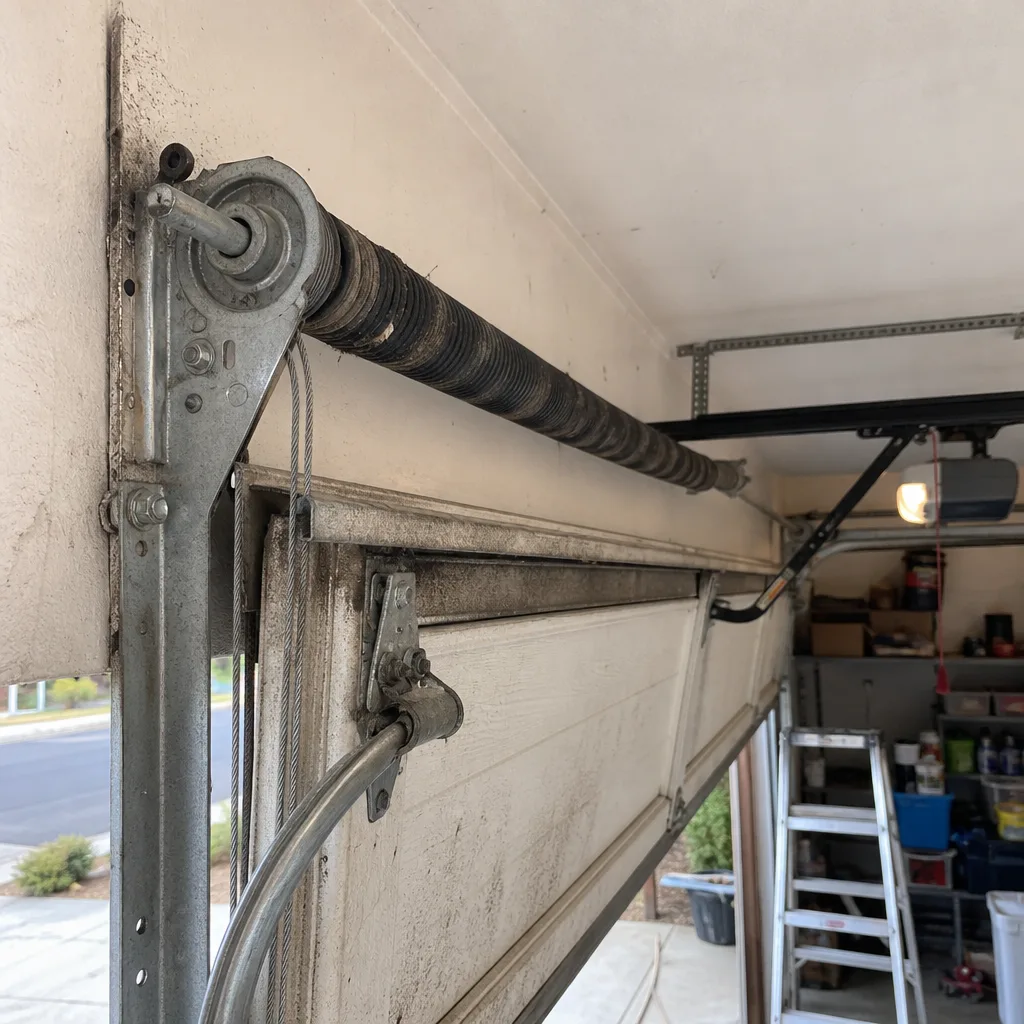 Before
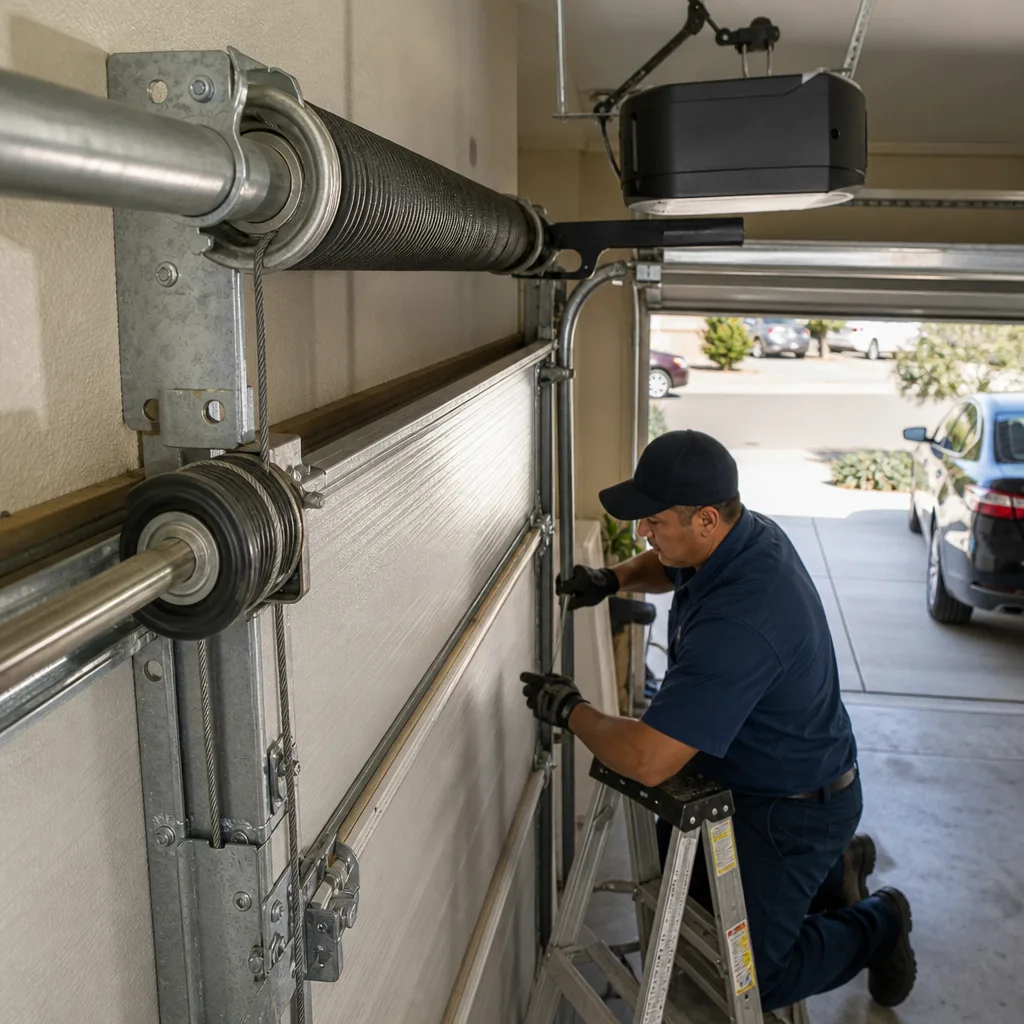 After